The global fabric supply industry features several key players that dominate the market. Among these, TJX Companies leads with an impressive annual revenue of $48.55 billion, followed closely by Toray Industries, generating $19.83 billion. Other significant suppliers include PVH Corp. and Lululemon Athletica, each contributing billions to the market.
| Rank | Company | Annual Revenue (2022) | Location |
|---|---|---|---|
| 1 | TJX Companies | $48.55 billion | Framingham, MA, USA |
| 2 | Toray Industries | $19.83 billion | Chuo City, Tokyo, Japan |
| 3 | PVH Corp. | $9.155 billion | New York, NY, USA |
| 4 | Lululemon Athletica | $6.26 billion | Vancouver, Canada |
| 5 | Ralph Lauren Corporation | $6.22 billion | New York, NY, USA |
These companies represent a significant portion of the global fabric market, which is projected to reach $1.16 trillion by 2025. The Top 10 wholesale fabric companies in the world continue to shape industry trends and innovation, driving advancements and setting standards in the fabric supply chain.
Key Takeaways
- TJX Companies leads the global fabric supply market with an annual revenue of $48.55 billion.
- Shenzhou International produces over 400 million garments annually, making it a top manufacturer in the industry.
- Sustainability is a key focus for many suppliers, including Reliance Industries, which promotes eco-friendly practices.
- Toray Industries is known for its technological innovations in synthetic fibers, enhancing product quality.
- Lenzing AG specializes in sustainable fibers and holds multiple environmental certifications.
- Pricing and quality are crucial factors when selecting a fabric supplier; businesses should request samples and check certifications.
- The global fabric market is projected to reach $1.16 trillion by 2025, highlighting growth opportunities.
- Building strong relationships with suppliers can lead to better pricing and reliable service.
Major Global Fabric Suppliers
Shenzhou International
Shenzhou International stands as a leading player in the global fabric supply market. Based in Ningbo, China, this company boasts an impressive annual production volume of over 400 million garments. This output positions Shenzhou International among the top fabric manufacturers worldwide.
| Company | Annual Production Volume | Location |
|---|---|---|
| Shenzhou International | 400+ million garments | Ningbo, China |
| Vinatex | 300+ million garments | Hanoi, Vietnam |
| MAS Holdings | 200+ million garments | Colombo, Sri Lanka |
| Arvind Limited | 100+ million garments | Ahmedabad, India |
| Alok Industries | 85+ million garments | Mumbai, India |
| Noman Group | 90+ million garments | Dhaka, Bangladesh |
| Epyllion Group | 50+ million garments | Dhaka, Bangladesh |
| TAL Apparel | 50+ million garments | Hong Kong SAR |
Shenzhou International exports its products to various regions, contributing significantly to its revenue. The primary markets include North America, Europe, and Asia, with international sales accounting for 70% of its total revenue. The United States, Europe, and Japan represent major markets for the company.
Texhong Textile Group
Texhong Textile Group, headquartered in China, ranks among the top fabric suppliers globally. In the most recent fiscal year, the company reported a total revenue of 25.01 billion CNY. Texhong specializes in producing a variety of fabrics, including:
| Fabric Type | Description |
|---|---|
| Core-spun yarns | High value-added yarns used in various textiles. |
| Grey fabrics | Unfinished fabrics that are dyed or printed later. |
| Fashion cotton textiles | Trendy cotton fabrics for garments and fashion. |
This diverse product range allows Texhong to cater to various segments of the textile market, reinforcing its position as a key supplier.
Toray Industries
Toray Industries, based in Japan, is recognized as one of the top 10 synthetic fiber manufacturers globally. The company generates annual revenue exceeding $20 billion and operates across multiple sectors, including fibers and textiles manufacturing.
Toray has introduced several technological innovations in fabric manufacturing, enhancing its competitive edge. Key innovations include:
| Innovation | Description |
|---|---|
| Advanced Materials | Development of new products and technologies in fibers and textiles to support global business expansion. |
| Ultrasuede® | A non-woven material created using ultra-fine fibers, offering a luxurious texture and high functionality. |
| NANODESIGN™ | A conjugate spinning technology enabling unprecedented control over fiber characteristics for enhanced textile products. |
| High-Performance Sports Textiles | Fabrics designed for active sports, focusing on bio-based and environmentally friendly manufacturing. |
These advancements not only improve product quality but also align with the growing demand for sustainable and high-performance textiles.
Reliance Industries Limited
Reliance Industries Limited (RIL) ranks as a significant player in the global fabric supply market. The company holds the position of the second-largest supplier in the polyester fiber sector, which encompasses applications in textiles and apparel. This strong presence in the polyester market underscores RIL’s influence in the industry.
RIL emphasizes sustainability in its textile production processes. The company implements several initiatives aimed at promoting eco-friendly practices:
- Reliance Industries Limited focuses on circularity and eco-friendly materials in textile production.
- The ‘Hub Excellence Partners (HEP) program’ standardizes manufacturing processes and quality across the value chain.
- RIL collaborates with over 50 industry players to ensure reliable and efficient production.
- Initiatives include recycling PET bottles and exploring circularity in textile waste.
- The Circular Design Challenge promotes sustainable practices within the fashion industry.
- RIL offers indigenous alternatives like Cotluk Fibers and Sapan filament yarn to meet sustainable textile demand.
These efforts reflect RIL’s commitment to fostering a sustainable future in the textile industry.
Vardhman Textiles Limited
Vardhman Textiles Limited stands out as a prominent fabric supplier in India. The company produces approximately 220 million meters of fabric annually, translating to around 2.4 lakh metric tonnes of yarn. This substantial output positions Vardhman as a key player in the textile market.
Vardhman exports its products to various countries, with significant import values from several regions. The following table highlights the largest importers of Vardhman Textiles Limited products:
| Country | Import Value (USD) |
|---|---|
| GERMANY | 5,361,689 |
| JAPAN | 5,684,210 |
| SWITZERLAND | 3,304,815 |
| BELGIUM | 2,457,188 |
| ITALY | 2,427,378 |
This diverse international presence showcases Vardhman’s ability to cater to global markets effectively.
Lenzing AG
Lenzing AG is recognized as a key player in the specialty fibers sector, particularly in the lyocell fiber market. The company’s innovative approach to fiber production has established it as a leader in this niche. Lenzing AG prioritizes sustainability and environmental responsibility in its operations.
The company holds several environmental certifications that validate its commitment to eco-friendly practices:
| Certification Name | Description |
|---|---|
| EU Ecolabel | Lenzing’s fibers meet strict criteria for air and water emissions and chemical handling, verified by independent experts. |
| USDA Certified Biobased Product | Lenzing’s Lyocell fibers are certified 100% bio-based, promoting renewable resources. |
| TUV AUSTRIA BELGIUM NV | Confirms the biodegradability of Lenzing’s cellulose fibers according to international standards. |
| OEKO-TEX® Standard 100 | Ensures that around 2,000 chemicals in textile production are either not used or within strict limits. |
| Responsible Care | Certification that defines high industry standards for chemical companies, held by Lenzing for 20 years. |
| FAIRTRADE | Lists Lenzing fibers as produced under responsible conditions. |
| ISO Standards | Lenzing’s production facilities are certified under ISO 9001:2008, ISO 14001:2004, and OHSAS 18001:2007. |
| Medically Tested – Tested for harmful substances | Identifies textiles that do not release harmful chemicals, ensuring safety for skin contact. |
| Recycled Claim Standards (RCS) | Used to track recycled raw materials throughout the supply chain. |
These certifications highlight Lenzing AG’s dedication to producing high-quality, sustainable fibers that meet the demands of modern consumers.
Arvind Ltd.
Arvind Ltd. ranks among the largest textile manufacturers in India, known for its diverse product offerings. The company specializes in various fabric types, catering to both domestic and international markets. Below is a summary of Arvind’s main product lines:
| Product Line | Description |
|---|---|
| Cotton Shirting | Various types of cotton fabrics for shirts. |
| Denim | Largest manufacturer of denim in India. |
| Knits | A range of knitted fabrics. |
| Bottomweight Fabrics | Includes khaki and other bottomweight materials. |
| Technical Textiles | Advanced Materials Division for specialized textiles. |
Arvind Ltd. collaborates with several renowned brands, including:
- Calvin Klein
- Tommy Hilfiger
- Gap
- Ed Hardy
- Hanes
- Nautica
- Elle
This extensive partnership network highlights Arvind’s reputation as a reliable supplier in the global textile market.
Nishat Mills Ltd.
Nishat Mills Ltd. stands as one of Pakistan’s largest textile manufacturers, boasting a production capacity of 104 million meters of fabric annually. This impressive output positions the company as a significant player in the textile industry.
Nishat Mills exports its products to various regions worldwide. The following table illustrates the primary export destinations for its fabrics:
| Destination Country/Region | Export Shipments | Percentage |
|---|---|---|
| USA | 16,457 | 22.12% |
| Bangladesh | 7,134 | 9.59% |
| United Kingdom | 6,848 | 9.20% |
| Germany | 5,749 | 7.73% |
| Sri Lanka | 4,723 | 6.35% |
| Netherlands | 4,481 | 6.02% |
| Italy | 3,915 | 5.26% |
| Japan | 2,863 | 3.85% |
| Belgium | 2,669 | 3.59% |
| Indonesia | 2,519 | 3.39% |
| United Arab Emirates | 1,753 | 2.36% |
| Malaysia | 1,379 | 1.85% |
| China | 1,209 | 1.62% |
This diverse export portfolio demonstrates Nishat Mills’ ability to meet the demands of various international markets.
Welspun India
Welspun India is a prominent player in the textile sector, particularly known for its innovative products. The company has introduced several major innovations in recent years, enhancing its product offerings and sustainability efforts. Below is a summary of these innovations:
| Innovation | Description |
|---|---|
| Hygrocotton® | A unique manufacturing process that results in softer, loftier, and more absorbent towels and sheets. |
| Wel-Trak® | A patented traceability solution that allows consumers to trace the origin of materials in products. |
| Sustainable Fibres | Development of products using organic and recycled polyester, along with wrinkle-resistant organic sheets. |
Welspun India’s commitment to innovation and sustainability positions it as a leader in the textile industry, appealing to environmentally conscious consumers.
TJX Companies
TJX Companies stands as a major player in the global fabric supply chain, operating over 4,800 stores across nine countries. This extensive network highlights the company’s significant global presence in the retail sector.
The company focuses on providing a wide range of apparel and home goods, sourcing fabrics from various suppliers worldwide. TJX Companies emphasizes sustainability in its operations, aiming to achieve operational net-zero emissions by 2040. This commitment reflects the company’s dedication to environmentally responsible practices within the fabric supply chain.
Key initiatives undertaken by TJX Companies include:
- Sourcing 100% renewable electricity by 2030: This goal demonstrates the company’s proactive approach to reducing its carbon footprint.
- Promoting sustainable sourcing practices: By collaborating with suppliers who prioritize eco-friendly materials, TJX Companies contributes to a more sustainable fabric supply chain.
Through these efforts, TJX Companies not only enhances its operational efficiency but also sets a standard for sustainability in the retail industry. The company’s initiatives resonate with consumers increasingly concerned about environmental impact, positioning TJX as a leader in responsible retailing.
Top 10 Wholesale Fabric Companies in the World
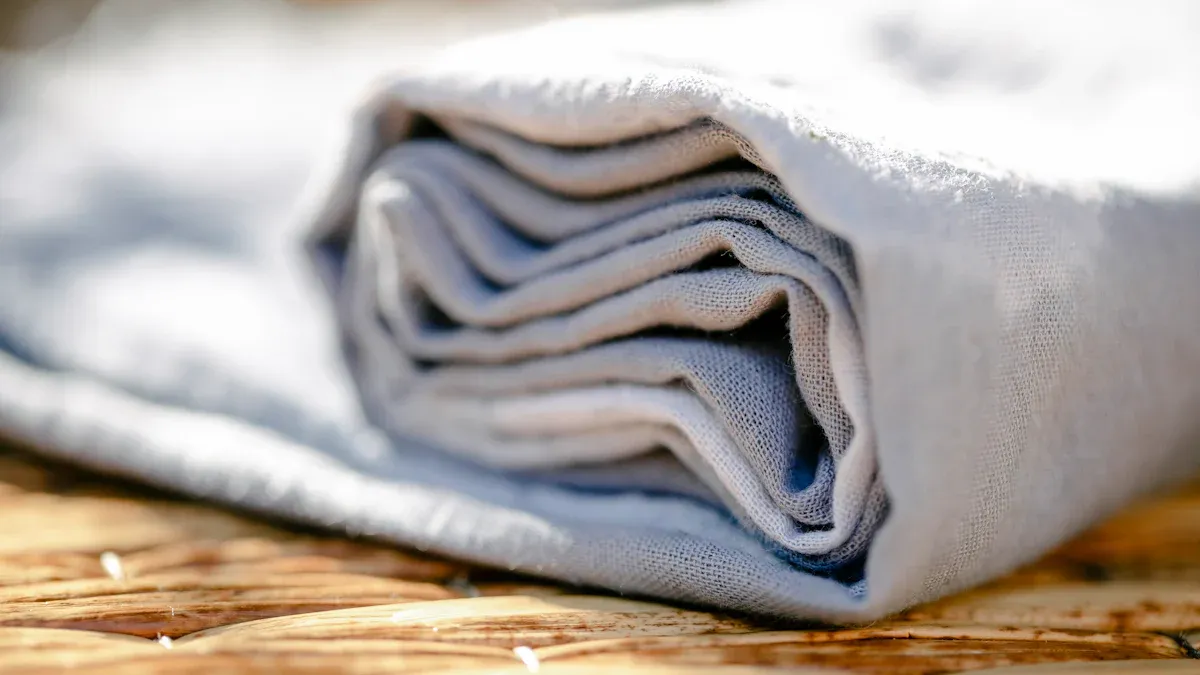
The wholesale fabric market features several prominent companies that lead in sales volume and customer satisfaction. Among these, Mood Fabrics and Vogue Fabric Store stand out for their exceptional offerings and services.
Mood Fabrics
Mood Fabrics, based in New York City, is renowned for its extensive selection of high-quality fabrics. This company excels in providing premium materials, particularly its jersey knit lycra cotton fabric, which customers describe as both luxurious and durable. The higher price point reflects the quality, and many customers find that sales make larger orders more affordable.
Mood Fabrics also prioritizes customer service, offering responsive support and valuable resources such as tutorials and sewing tips on their website. This commitment to enhancing the customer experience sets them apart from other suppliers.
Vogue Fabric Store
Vogue Fabric Store, located in Illinois, is another leading name in the wholesale fabric industry. This company is known for its diverse range of fabrics, catering to various needs, from apparel to home décor. Vogue Fabric Store emphasizes affordability without compromising quality, making it a popular choice among both hobbyists and professionals.
The store frequently updates its inventory, ensuring that customers have access to the latest trends and styles. Additionally, Vogue Fabric Store offers a user-friendly online shopping experience, allowing customers to browse and purchase fabrics with ease.
Fabrics
Fabrics, a well-established wholesale supplier, provides a wide array of textile options. This company focuses on sourcing materials that meet the demands of various industries, including fashion, upholstery, and crafts. Fabrics prides itself on its competitive pricing and reliable delivery services, which appeal to bulk buyers.
The company’s commitment to quality assurance ensures that customers receive consistent and dependable products. Fabrics also engages in sustainable practices, sourcing eco-friendly materials to meet the growing demand for environmentally responsible textiles.
The following list highlights the Top 10 wholesale fabric companies in the world by sales volume:
- China Textiles
- Mood Fabrics
- Vogue Fabric Store
- Denver Fabrics
- Fabrics Wholesale Direct
- Fabric Selection
- Nick Of Time Fabrics
- Itokri
- Akrithi
- Wholesale Fabrics The UK
These companies collectively shape the fabric supply landscape, offering a variety of options for consumers and businesses alike.
| Company Name | Online Revenue |
|---|---|
| Hebei Gaibo Textile Co., Ltd. | $3M+ |
| Weifang Huahao Textile Co., Ltd. | $1.1M+ |
| Shijiazhuang Tianquan Textile Co. | $1.8M+ |
| Tongxiang Tenghui Textiles Co. | $710+ |
| Guangdong Yitong Textile Tech | $71K+ |
The competitive nature of the wholesale fabric market drives these companies to innovate and improve their offerings continually.
Denver Fabrics
Denver Fabrics has established itself as a prominent player in the wholesale fabric market. The company offers an extensive selection of specialty fabrics that cater to a wide range of customer needs. Their product line includes everything from basic cotton to luxurious silk, which sets them apart from competitors. This diverse offering allows customers to find the perfect fabric for any project, whether it involves upholstery, drapery, or fashion.
One of the key strengths of Denver Fabrics lies in its commitment to exceptional customer service. The company provides flexible purchasing options, enabling customers to order in bulk or smaller quantities as needed. This adaptability enhances the shopping experience, making it easier for both hobbyists and professionals to acquire the materials they require.
In addition to their impressive product range, Denver Fabrics emphasizes quality. They source fabrics from reputable manufacturers, ensuring that customers receive durable and reliable materials. This focus on quality, combined with their extensive selection, positions Denver Fabrics as a go-to supplier in the industry.
Furthermore, Denver Fabrics actively engages with its customers through various channels. They maintain an informative website that features detailed product descriptions and helpful resources. This approach not only aids customers in making informed decisions but also fosters a sense of community among fabric enthusiasts.
Overall, Denver Fabrics stands out in the competitive landscape of the Top10 wholesale fabric companies in the world. Their dedication to quality, customer service, and a diverse product range solidifies their reputation as a leading fabric supplier.
Specialty Fabric Suppliers
Shaoxing Suerte Textile Co., Ltd.
Shaoxing Suerte Textile Co., Ltd. has established itself as a prominent player in the specialty fabric market since its inception in 2011. Located in Shaoxing, the largest textile collecting and distributing center in Asia, the company focuses on continuous improvement in quality, cost control, and customer service. With a commitment to innovation, Shaoxing Suerte has developed a diverse range of specialty fabrics that cater to various industries.
The company specializes in producing several types of fabrics, including:
- Custom Embossed Fabric
- Rib Fabric
- Chiffon Fabric
- Satin Fabric
- Scuba Fabric
- Mesh Fabric
- Jersey Fabric
- Rayon Challis
- Roma Fabric
- Hacci Fabric
- Oxford Fabric
- Pique Fabric
- French Terry
- Fleece Fabric
- Yoga Fabric
This extensive product line showcases Shaoxing Suerte’s ability to meet the demands of different markets, from fashion to functional textiles. The company employs advanced production techniques and maintains a skilled workforce, ensuring high-quality output that resonates with global customers.
Other Notable Specialty Suppliers
In addition to Shaoxing Suerte, several other companies excel in the specialty fabric sector. These suppliers have carved out significant market shares and are recognized for their innovative products. Some of the leading specialty fabric suppliers globally include:
- Milliken & Company
- Trelleborg AB
- Saint-Gobain Performance Plastics
- TenCate Protective Fabrics
- Low & Bonar PLC
- Albany International Corp.
- Freudenberg Performance Materials
- Arvind Ltd.
- Techtex Industrial Nonwovens
- Sioen Industries NV
- Heytex Bramsche GmbH
- Erez Thermoplastic Products
- Apex Mills
- Schoeller Textil AG
- Baltex Technical Textiles
These companies contribute to the dynamic landscape of specialty fabrics, offering unique solutions tailored to specific applications. Their commitment to quality and innovation positions them as leaders in the industry, catering to a diverse range of customer needs. As the demand for specialized textiles continues to grow, these suppliers remain at the forefront, driving advancements and setting new standards in fabric technology.
Geographical Breakdown of Suppliers
North America
North America plays a crucial role in the global fabric supply chain. The region is home to several prominent suppliers, including:
- TJX Companies: This retail giant operates over 4,800 stores across the continent, sourcing fabrics from various suppliers.
- PVH Corp.: Known for its strong brand portfolio, PVH Corp. significantly influences the fabric market in North America.
- Lululemon Athletica: This athletic apparel company emphasizes high-quality fabrics, catering to a growing demand for performance textiles.
The North American market benefits from advanced manufacturing technologies and a focus on sustainability. Many companies in this region prioritize eco-friendly practices, aligning with consumer preferences for responsible sourcing.
Europe
Europe stands out as a hub for textile innovation and quality. The region hosts several key players in the fabric supply industry, including:
- Toray Industries: This Japanese company has a strong presence in Europe, known for its synthetic fibers and innovative textile solutions.
- Lenzing AG: Based in Austria, Lenzing specializes in sustainable fibers, particularly lyocell, and has established a reputation for environmental responsibility.
- Arvind Ltd.: Although based in India, Arvind collaborates with European brands, showcasing its diverse product offerings in the European market.
European suppliers often emphasize high-quality standards and craftsmanship. The region’s commitment to sustainability drives many companies to adopt eco-friendly practices, ensuring that their products meet stringent environmental regulations.
Asia
Asia dominates the global fabric supply market, with numerous suppliers leading in production and innovation. Key players include:
- Shenzhou International: This Chinese company ranks among the largest fabric manufacturers globally, producing over 400 million garments annually.
- Texhong Textile Group: Headquartered in China, Texhong specializes in various fabric types, contributing significantly to the region’s textile output.
- Nishat Mills Ltd.: As one of Pakistan’s largest textile manufacturers, Nishat Mills exports a substantial volume of fabric to international markets.
Asian suppliers benefit from lower production costs and a vast labor pool. This advantage allows them to offer competitive pricing while maintaining quality. The region’s focus on innovation and technology further enhances its position in the global fabric supply chain.
Factors to Consider When Choosing a Supplier
Selecting the right fabric supplier is crucial for businesses aiming for success in the textile industry. Several factors play a significant role in this decision-making process.
Quality of Fabric
Quality assurance stands as a top priority when choosing a fabric supplier. Consistent fabric quality ensures that products meet established standards. Businesses should evaluate suppliers based on their ability to deliver high-quality materials consistently. This evaluation may involve:
- Requesting Samples: Obtain fabric samples to assess texture, durability, and overall quality.
- Certifications: Check for industry certifications that validate the supplier’s commitment to quality.
- Production Processes: Understand the manufacturing processes to ensure they align with quality expectations.
By focusing on these aspects, companies can maintain product integrity and customer satisfaction.
Pricing and Minimum Orders
Pricing structures significantly impact the overall cost of production. Businesses must be aware of the total cost, which includes minimum order quantities and shipping expenses. Here are some key considerations:
- Direct Sourcing from Fabric Mills: This approach often yields the best pricing and quality control. Suppliers that manufacture their fabrics can provide competitive rates.
- Converters and Jobbers: These suppliers offer flexibility with lower minimum order quantities. However, they may have variable stock availability, which can affect production schedules.
- Wholesale Distributors: They typically provide quicker turnaround times and lower shipping costs, making them an attractive option for businesses with tight deadlines.
Understanding these pricing dynamics helps businesses make informed decisions that align with their budgetary constraints.
Delivery and Reliability
Timely delivery and reliability are essential for maintaining production schedules. Companies should assess potential suppliers based on their lead times and delivery performance. Key factors to consider include:
- Lead Times: Understand the production and delivery lead times to plan effectively. Suppliers with shorter lead times can help businesses respond quickly to market demands.
- Supplier Relationships: Building strong relationships with suppliers can lead to better pricing and priority service. A reliable supplier often prioritizes long-term partnerships, ensuring consistent support.
By prioritizing delivery and reliability, businesses can enhance their operational efficiency and reduce the risk of production delays.
Choosing the right fabric supplier significantly impacts business success. A reliable supplier ensures consistent quality, timely delivery, and competitive pricing.
Tip: When selecting a supplier, consider the following:
- Specific fabric requirements
- Supplier strengths and specialties
- Sustainability practices
By aligning supplier capabilities with business needs, companies can enhance their product offerings and maintain a competitive edge in the market.
FAQ
What factors should businesses consider when selecting a fabric supplier?
Businesses should evaluate fabric quality, pricing structures, minimum order requirements, delivery reliability, and the supplier’s sustainability practices. These factors ensure alignment with production needs and market demands.
How can companies ensure fabric quality from suppliers?
Companies can request fabric samples, check for industry certifications, and review the supplier’s production processes. These steps help verify that the supplier meets quality standards consistently.
What are the benefits of sourcing fabrics directly from manufacturers?
Sourcing directly from manufacturers often results in better pricing, improved quality control, and more flexible order quantities. This approach can enhance overall supply chain efficiency.
How important is sustainability in the fabric supply chain?
Sustainability is increasingly important as consumers demand eco-friendly products. Suppliers that prioritize sustainable practices can attract environmentally conscious customers and improve brand reputation.
What types of fabrics do major suppliers typically offer?
Major suppliers offer a wide range of fabrics, including cotton, polyester, denim, and specialty textiles. Each supplier may focus on specific fabric types based on market demand and expertise.
How do global trends impact fabric suppliers?
Global trends, such as shifts in consumer preferences and technological advancements, significantly impact fabric suppliers. Staying informed about these trends helps suppliers adapt their offerings and maintain competitiveness.
What role do certifications play in the fabric industry?
Certifications validate a supplier’s commitment to quality, sustainability, and safety standards. They provide assurance to businesses that the fabrics meet regulatory requirements and consumer expectations.
How can businesses build strong relationships with fabric suppliers?
Businesses can build strong relationships by maintaining open communication, providing feedback, and collaborating on product development. Long-term partnerships often lead to better pricing, priority service, and improved product quality.