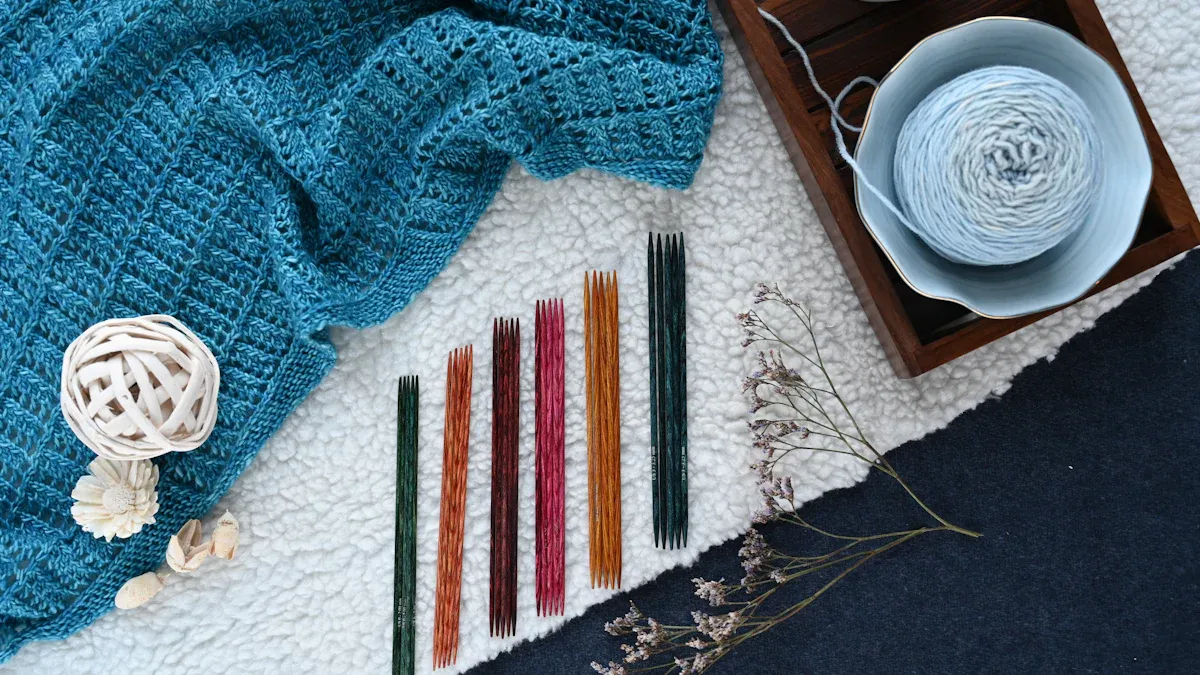
Choosing the right knitted fabric, such as rayon polyester plain dyed french rib knit fabric, is crucial for your garment projects. Consider factors such as sustainability, customization, and comfort. These elements influence your fabric selection. The right fabric can enhance the fit and feel of your garment, making it essential to choose wisely.
Key Takeaways
- Choosing the right knitted fabric enhances comfort and style in your garments.
- Consider fabric properties like stretch, weight, and breathability to match your project needs.
- Testing fabric samples before use ensures they meet your expectations for quality and performance.
Types of Knitted Fabric
Jersey Knit
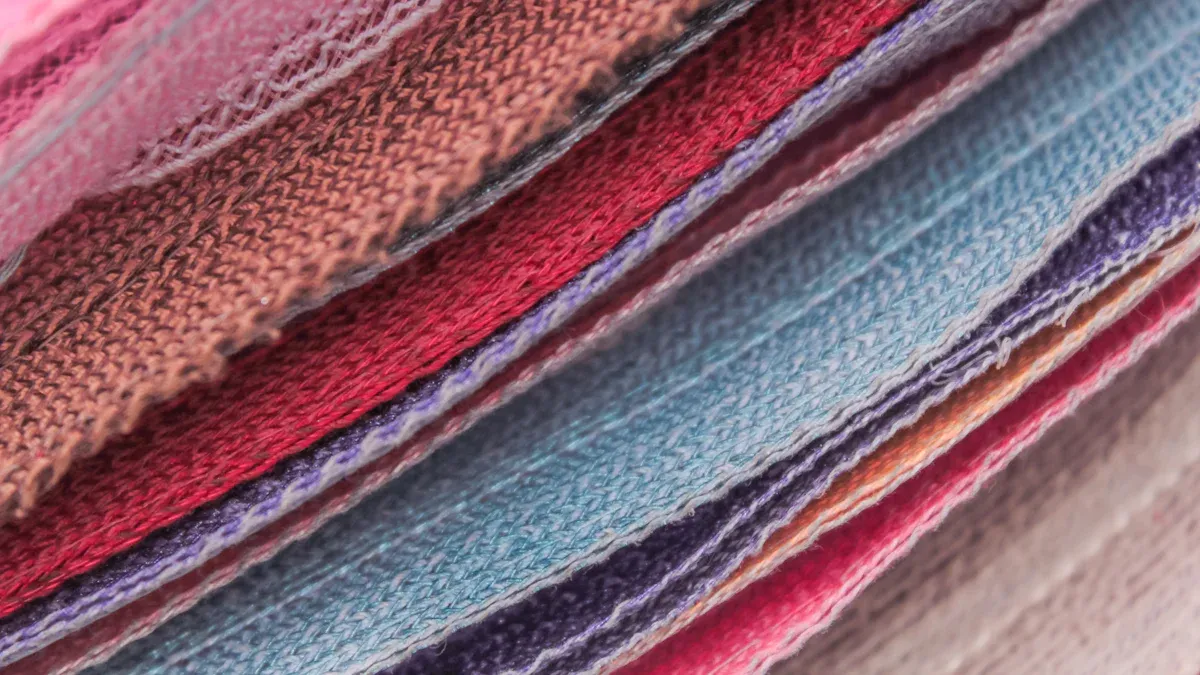
Jersey knit is one of the most popular types of knitted fabric. It features a soft finish that feels great against your skin. This fabric is known for its stretchability, making it perfect for close-fitting garments. You will often find jersey knit in T-shirts, dresses, and activewear.
Here are some key characteristics of jersey knit:
| Characteristic | Description |
|---|---|
| Softness | Jersey knit is known for its soft finish, providing comfort against the skin. |
| Stretchability | The fabric is naturally stretchable due to its knitting pattern, making it ideal for close-fitting garments. |
| Breathability | Highly breathable, allowing air to pass through, suitable for both summer and winter wear. |
| Durability | The fabric holds its shape well and is resistant to fraying, making it suitable for frequent wear. |
| Versatility | Can be made in various weights and colors, suitable for a wide range of garment designs. |
| Common Uses | Frequently used for dresses, T-shirts, underwear, sportswear, and children’s clothing. |
Rib Knit
Rib knit is another essential type of knitted fabric. It features raised vertical lines that provide excellent elasticity. This fabric hugs your body, making it a popular choice for fitted garments. You will often see rib knit in shirts, dresses, and beanies.
Rib knit has unique properties that set it apart from other fabrics:
| Fabric Type | Mass per unit area (g/m2) | Thickness (mm) | Stitch Density | Air Permeability | Elasticity |
|---|---|---|---|---|---|
| Rib | 250 | 1.78 | 187 | Low | Moderate |
| Plain | 185 | 0.85 | 126 | Moderate | High |
| Interlock | 243 | 1.44 | 126 | Low | Moderate |
| Lace | 100 | 1.05 | 60 | High | High |
This table shows that rib knit has a higher mass per unit area and thickness compared to other fabrics. This contributes to its compact structure and lower air permeability, affecting its overall performance in garments.
Interlock Knit
Interlock knit is a double-knit fabric that offers a smooth finish on both sides. This fabric is thicker and firmer than jersey knit, providing good stability. You will find interlock knit in various applications, including T-shirts, dresses, and activewear.
Here’s a comparison of interlock knit with jersey knit:
| Property | Interlock Knit | Jersey Knit |
|---|---|---|
| Structure | Double-knit | Single-knit |
| Smoothness | Smooth on both sides | Different textures on each side |
| Stretch | Moderate stretch | More stretch in one direction |
| Thickness | Thicker and firmer | Lighter and thinner |
| Stability | Good stability, edges stay flat | Edges tend to curl |
| Softness | Remarkably soft | Varies, often less soft |
French Terry
French terry is a versatile fabric known for its looped texture on one side and smooth finish on the other. This fabric is highly absorbent, making it ideal for activewear and loungewear. You will appreciate its breathability and comfort, especially in casual settings.
Here are some defining features of French terry:
| Property | Description |
|---|---|
| Material | Typically made from cotton fibers or cotton blends. |
| Texture | Yarn loops piled on one side, smooth and soft on the other. |
| Breathability | Offers good breathability due to its looped construction. |
| Absorbency | Highly absorbent due to looped pile, ideal for activewear. |
| Stretch | Generally has some stretch for comfort and mobility. |
| Durability | Robust and long-lasting, especially when well maintained. |
| Comfort | Known for its plush, comfortable feel. |
| Style | Casual and versatile, used in loungewear and athletic apparel. |
Sweater Knit
Sweater knit fabric is perfect for cooler weather. It features a textured, raised pattern that mimics hand-knitted sweaters. This fabric is warm and cozy, making it ideal for sweaters and cardigans. You will find various fiber blends in sweater knits, which can affect their durability and warmth.
Here are some key characteristics of sweater knit:
Sweater knit fabric is known for its textured, raised pattern that contributes to its cozy appearance. The fabric’s stretch and recovery vary based on the knit and yarn, affecting comfort. Made from insulating materials like wool and acrylic, sweater knits are warm and suitable for cooler weather, with different weights available for various seasonal needs.
Properties of Knitted Fabric
Stretch and Recovery
When selecting knitted fabric, understanding stretch and recovery is essential. These properties determine how well the fabric maintains its shape after being stretched. You can categorize stretch into two types:
- Mechanical Stretch: This type comes from the way yarns are woven. It provides inherent stretch without additional materials.
- Spandex Stretch: This involves adding spandex to the fabric. It allows for significant elongation and excellent recovery.
Recovery is crucial for maintaining the fit of your garments. Fabrics with higher spandex content recover better than those relying solely on mechanical stretch. To assess these properties, the textile industry uses various testing methods. Here’s a table summarizing some common methods:
| Testing Method | Description |
|---|---|
| ASTM D2594 | Measures stretch properties of knitted fabrics having low power, evaluating fabric growth due to prolonged stresses. |
| ASTM D3107 | Recommended for fabrics intended for support applications. |
| ASTM D4964 | Evaluates stretch and recovery in specific fabric types. |
| ASTM D6614 | Assesses fabrics with high stretch and good recovery. |
For activewear, industry standards require a minimum of 85% recovery after one hour of stretching. Premium products often achieve 90-95% recovery, ensuring they maintain their shape and comfort over time.
Weight and Drape
The weight of knitted fabric significantly influences its drape. Drape refers to how the fabric falls and flows when worn. Different weights suit various garment types. Here’s a table outlining fabric weight categories and their suitable uses:
| Fabric Weight Category | Weight Range (oz) | Suitable Garment Types |
|---|---|---|
| Light Weight | 6.5 or less | Linings, layered pieces |
| Light to Medium Weight | 7-9 | Tops, dresses with linings, accessories like scarves |
| Medium Weight | 9.5-11.5 | Structured garments, leggings, pants |
| Medium to Heavy Weight | 12-14 | Cooler weather garments, thicker fabrics like French terry |
| Heavy Weight | 15 or more | Sweatshirt fleeces, limited stretch garments |
Lightweight fabrics, weighing less than 4 oz per yard, are ideal for warm weather. They offer a soft and fluid drape. Midweight fabrics balance warmth and breathability, while heavyweight fabrics provide thickness and warmth for colder conditions.
Breathability and Warmth
Breathability and warmth are vital for comfort in knitted fabrics. Breathability refers to how well air and moisture pass through the fabric. Fabrics with higher water vapor permeability provide better comfort, especially during physical activities. For example, one fabric exhibited a water vapor permeability of 0.29 g/m²·Pa·h, making it ideal for activewear. In contrast, another fabric had a lower permeability of 0.097 g/m²·Pa·h.
Thermal resistance also varies with fabric structure. Coarser yarns create more air pockets, enhancing insulation. Fabrics with tuck-knit stitch combinations show higher thermal resistance compared to those made with 100% knit stitches. This means that the choice of fabric structure significantly impacts both breathability and thermal insulation.
For warm climates, experts recommend fabrics like fine merino wool and cashmere silk. These materials wick moisture away, keeping you cool and dry. Here’s a quick overview of these recommended fabrics:
- Merino Wool: Lightweight and moisture-wicking, it absorbs up to 30% of its weight in water.
- Cashmere Silk: Soft and lightweight, it offers comfort in warm weather.
Choosing the right knitted fabric involves considering these properties. Understanding stretch, weight, drape, breathability, and warmth will help you create garments that fit well and feel comfortable.
Tips for Selecting Knitted Fabric
Matching Fabric to Project Type
When selecting knitted fabric, consider how it matches your project type. Different garments require specific fabric characteristics. Use the following criteria to guide your choice:
| Criteria | Description |
|---|---|
| Fabric Weight | Choose lightweight fabrics for t-shirts and heavier options for dresses. |
| Characteristics | Understand the fabric’s stretch and recovery to align with your garment’s design. |
| Use | Think about how you will wear the fabric. Is it for casual wear or sportswear? |
| Color and Print | Select colors and prints that fit the garment’s purpose and style. |
| Drape | Assess how the fabric drapes. Flowing fabrics work well for dresses, while structured ones suit t-shirts. |
| Stretch and Recovery | Evaluate the fabric’s stretch to ensure a good fit and shape retention. |
Considering Fabric Care
Fabric care significantly impacts the longevity of your garments. Knitted fabrics are durable and can withstand regular wear. However, proper care is essential. Here are some care aspects to keep in mind:
| Care Aspect | Description |
|---|---|
| Quick Drying | Fabrics made from synthetic fibers dry quickly after washing. |
| Minimal Care | Regular maintenance helps prevent pilling and fluff. |
| Long Lasting Freshness | Following washing instructions extends the lifespan of your garments. |
| Simple Upkeep | Avoid excessive stretching to maintain the fabric’s shape. |
Testing Fabric Samples
Before committing to a large project, test fabric samples. This step ensures the fabric meets your expectations. Here are effective methods for testing:
| Testing Method | Key Characteristics |
|---|---|
| Appearance Testing | Check for smoothness and resistance to shrinkage. |
| Colorfastness Testing | Assess light fastness and resistance to color loss. |
| Dimensional Stability | Ensure the fabric maintains its shape after laundering. |
Testing for shrinkage involves marking the fabric dimensions before washing and measuring afterward. This process helps you understand how the fabric will behave over time.
Choosing the right knitted fabric transforms your garment. Remember these key points:
- Fabric selection impacts comfort and style.
- Experimenting with different fabrics can enhance your designs.
You can explore various knitted fabrics to discover what works best for your projects. Share your experiences and insights with others. Your journey can inspire fellow creators!
FAQ
What is the best knitted fabric for beginners?
Start with jersey knit. It’s easy to work with and versatile for various projects.
How do I know if a fabric is breathable?
Check the fabric’s weight and structure. Lighter fabrics with open weaves usually offer better breathability.
Can I mix different knitted fabrics in one garment?
Yes, you can mix fabrics! Just ensure they have similar stretch and care requirements for the best results.