Digital printing fabric is changing the game in fashion. This innovative technology has captured the attention of about 40% of fashion brands. They embrace it for its ability to reduce carbon emissions significantly. Digital printing cuts down on energy-intensive processes, making it a smarter choice for a sustainable future.
Key Takeaways
- Digital printing significantly reduces waste by allowing brands to produce only what they need, leading to a more sustainable fashion industry.
- Customization is a key benefit of digital printing, enabling consumers to create unique designs that reflect their personal style.
- Embracing digital printing helps brands respond quickly to market trends, enhancing production efficiency and reducing inventory costs.
Sustainability in Digital Printing Fabric

Sustainability stands at the forefront of the digital printing revolution in fashion. This technology not only transforms how brands create designs but also significantly reduces their environmental impact.
Waste Reduction
Digital printing fabric shines in its ability to minimize waste. Traditional textile production often leads to mountains of leftover fabric and excess dye. In contrast, digital printing supports just-in-time production. This method allows brands to produce only what they need, drastically cutting down on excess textile waste. Here are some key benefits:
- Fashion brands can print small batches and reorder based on demand. This flexibility minimizes waste and inventory.
- Digital printing reduces water and dye waste compared to traditional methods. It enables customized designs through small-batch production, further decreasing waste.
- The precise application of ink means less excess, leading to a cleaner production process.
By embracing digital printing, brands tackle the global issue of textile waste head-on. They create a more sustainable future while keeping their collections fresh and exciting.
Eco-Friendly Materials
The materials used in digital printing fabric also play a crucial role in sustainability. Many brands are shifting towards eco-friendly options that lessen their environmental footprint. Here are some popular materials:
- Organic Cotton: Grown without harmful pesticides or GMOs, it uses 88% less water and 62% less energy than conventional cotton.
- Hemp: Requires minimal water and no pesticides, making it durable and breathable.
- Bamboo: Fast-growing and renewable, it is naturally antimicrobial and moisture-wicking.
- Recycled Polyester (rPET): Made from recycled plastic bottles, it requires 59% less energy to produce than virgin polyester.
- Tencel/Lyocell: Derived from sustainably harvested wood pulp, it is produced in a closed-loop system and is biodegradable.
Digital printing fabric often uses water-based or eco-friendly inks. This combination significantly reduces both dye and water waste. In fact, digital textile printing can save up to 95% of industrial water usage. It also cuts energy consumption by 75%. Traditional methods consume large amounts of water and energy, contributing to pollution.
By choosing sustainable materials and practices, the fashion industry can lead the way toward a greener future. Digital printing fabric not only meets the demands of modern consumers but also protects the planet.
Customization with Digital Printing Fabric
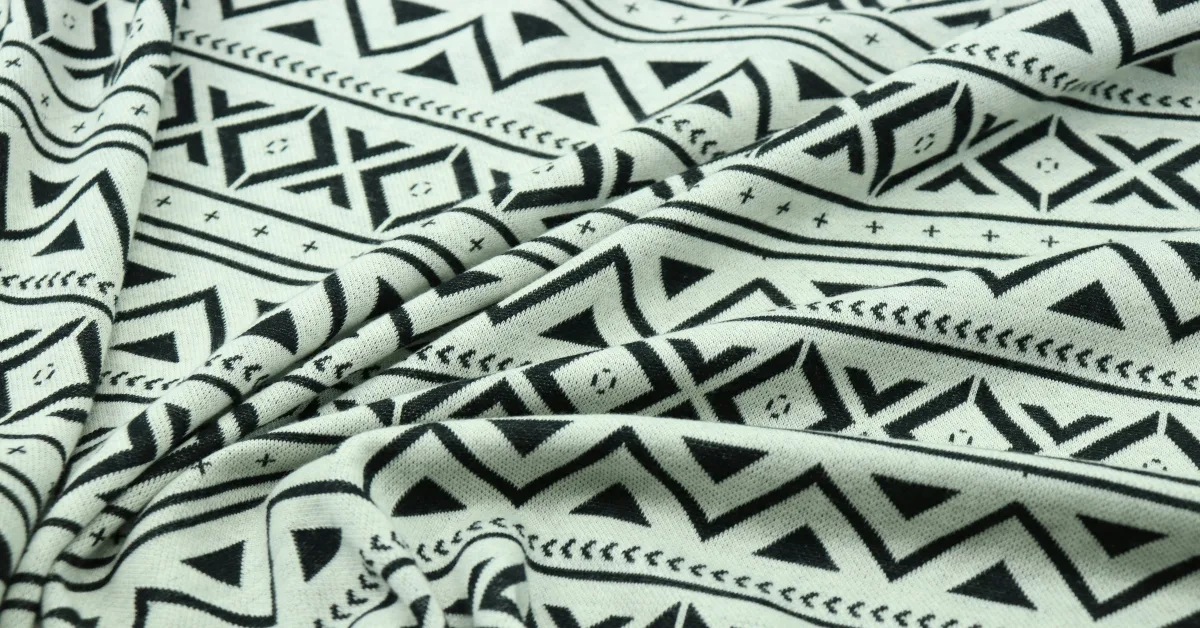
Customization is one of the most exciting aspects of digital printing fabric. This technology allows fashion brands to create unique pieces that resonate with individual tastes. Consumers today crave personalization, and digital printing delivers just that.
Personalized Designs
Digital printing fabric opens the door to endless possibilities for personalized designs. Consumers can now customize textiles on demand, making their fashion choices truly their own. Here are some key benefits of this customization:
- Unique Patterns: Customers can choose from a wide range of patterns and color combinations. This flexibility allows them to express their style without limits.
- Tailored Fits: Digital printing enables brands to offer personalized fits, ensuring that garments flatter every body type.
- Rapid Adaptation: Designers can quickly modify designs based on consumer feedback or emerging trends. This agility keeps collections fresh and relevant.
The advancements in printing technology make mass customization more accessible than ever. Brands can produce high-quality prints that enhance creativity and cater to individual preferences. This approach not only boosts customer satisfaction but also fosters a deeper connection between consumers and brands.
Limited Editions
Limited edition products have become a hot trend in the fashion industry, and digital printing fabric plays a crucial role in this phenomenon. By leveraging this technology, designers can create exclusive collections that stand out in a crowded market. Here’s how:
- Personalization and Customization: Designers can craft unique pieces that reflect their vision while catering to individual customer preferences. This personal touch makes each item feel special.
- Sustainability: Digital printing reduces waste through on-demand production. This practice minimizes excess stock, aligning with the growing consumer demand for sustainable fashion.
- Sales Boost: Brands like Gucci and Louis Vuitton have reported a 30% increase in sales of digitally printed items. The circular fashion market grew by 25% in 2024, with digital printing accounting for 60% of these collections. This trend highlights the financial benefits of offering limited editions.
| Advantage | Description |
|---|---|
| Design Flexibility | Designers can create intricate patterns and vibrant colors without limitations of traditional methods. |
| Fast Turnaround Times | Rapid production allows designers to receive customized printed fabric quickly, saving time. |
| Cost-Effectiveness | Low setup costs enable production of limited edition or unique pieces without large production runs. |
| Easy Customization | Quick modifications to designs cater to individual customer preferences, allowing for personalization. |
Digital printing fabric not only enhances the creative process but also supports brands in meeting consumer demands for exclusivity and sustainability. As the fashion industry continues to evolve, customization will remain a key driver of success.
Production Efficiency through Digital Printing Fabric
Digital printing fabric brings a whirlwind of efficiency to the fashion industry. Brands can now respond to market demands faster than ever.
Faster Turnaround Times
With digital printing, fashion manufacturers enjoy quicker production cycles. This technology allows for small-batch production, which means brands can create only what they need. Here are some key benefits:
- Quick Response: Digital printing enables brands to adapt swiftly to changing trends. They can produce items on demand, minimizing overproduction.
- Unlimited Designs: Designers can unleash their creativity with endless design possibilities. Instant printing capabilities mean they can bring ideas to life without delay.
- Low Setup Costs: The reduced costs associated with setup facilitate faster manufacturing. This efficiency allows brands to keep their collections fresh and relevant.
In fact, digital printing can cut production time significantly, allowing brands to stay ahead in a fast-paced market.
Reduced Inventory Costs
Digital printing fabric also transforms inventory management. By supporting on-demand production, brands can minimize excess inventory. This leads to substantial cost savings. Here’s how:
- Lower Carrying Costs: With less inventory on hand, brands save on storage and management costs.
- Better Adaptability: Improved inventory management allows brands to respond quickly to consumer demands. This adaptability further reduces costs associated with excess stock.
- Elimination of Preparation Costs: Digital printing eliminates many traditional printing preparation costs, contributing to overall savings.
The impact on supply chain management is remarkable. Digital printing fabric enables production as needed, speeds up the process from design to finished product, and allows for quick adjustments based on market trends.
By embracing digital printing, the fashion industry not only enhances production efficiency but also aligns with the growing demand for sustainability and customization.
Trends and Consumer Demand for Digital Printing Fabric
Fashion is evolving, and so are consumer preferences. Today, shoppers crave more than just clothes; they seek experiences and individuality. This shift is driving the demand for digital printing fabric, which allows brands to meet these new expectations.
Shifting Preferences
Consumers increasingly favor customization and personalization. They want unique pieces that reflect their style. In fact, a survey by Deloitte found that up to 50% of consumers are interested in purchasing personalized products. This trend pushes brands to adopt digital printing solutions. With advancements in inkjet technology, brands can now produce intricate designs and vibrant colors. This capability aligns perfectly with the growing demand for eco-friendly options. A staggering 94.6% of consumers are willing to pay more for sustainable products, making digital printing a smart choice for brands looking to attract conscious shoppers.
Emphasis on Unique Products
The desire for uniqueness drives the popularity of digital printing fabric. Designers can create one-of-a-kind items that stand out in a crowded market. Digital printing provides creative freedom, allowing for complex and colorful designs without traditional limitations. This technology supports customization, enabling brands to produce unique fashion items tailored to individual preferences. As consumers increasingly desire personalized experiences, fashion brands are adopting digital printing methods that allow for on-demand production. This approach not only reduces overstock but also aligns with modern consumer values.
Digital printing is not just a passing trend; it represents a vital shift in the fashion industry. This technology offers:
- A sustainable option with minimal waste and reduced water usage.
- Intricate designs that unleash creativity.
- Customization that meets consumer demands.
As brands embrace digital printing, they align with eco-conscious values and innovate their production processes. The future of fashion looks bright and colorful!
FAQ
What is digital printing in fashion?
Digital printing in fashion uses inkjet technology to print designs directly onto fabric, allowing for vibrant colors and intricate patterns.
How does digital printing promote sustainability?
Digital printing reduces waste by enabling on-demand production, minimizing excess inventory, and using eco-friendly materials and inks.
Can consumers customize their clothing with digital printing?
Absolutely! Digital printing allows consumers to personalize designs, colors, and fits, creating unique pieces that reflect their individual style.