Brocade is often the preferred choice for formal upholstery due to its luxurious appearance and texture. Selecting the right fabric significantly impacts home decor. Key factors influencing this decision include:
- Durability: Essential for fabrics that experience daily use.
- Style: The fabric should reflect personal aesthetics and complement existing decor.
- Comfort: The tactile experience contributes to user satisfaction.
- Care and Maintenance: Important for longevity, especially in households with children or pets.
Considering these aspects helps in making an informed choice between brocade or jacquard fabric.
Key Takeaways
- Brocade is ideal for formal upholstery due to its luxurious texture and intricate patterns.
- Jacquard fabric offers versatility, making it suitable for both casual and elegant applications.
- Consider durability when choosing fabric; jacquard is generally more resistant to wear and tear.
- Brocade’s heavy weight and raised patterns create a grand appearance, perfect for high-end decor.
- Jacquard fabrics are often more affordable, making them a cost-effective choice for various projects.
- Maintenance varies; brocade requires careful cleaning, while jacquard is easier to care for and often machine washable.
- Select fabrics based on your home’s style; brocade suits classic elegance, while jacquard fits modern aesthetics.
- Evaluate your budget; jacquard provides a stylish option without breaking the bank, while brocade may require a larger investment.
Key Differences
Weaving Techniques
The weaving techniques of brocade and jacquard fabrics significantly influence their characteristics. Brocade traditionally relies on hand-operated draw-looms, which require skilled master weavers and a drawboy. This labor-intensive process results in the rich, textured surface that brocade is known for. In contrast, the Jacquard loom, introduced in 1801, revolutionized fabric production by utilizing punch cards to automate the weaving process. This innovation allows for more complex patterns and designs.
Modern brocades often use Jacquard devices, indicating a shift in production methods. While brocade is characterized by its embossed or embroidered surface, jacquard refers to the weaving method that can produce various patterns. Notably, not all jacquard fabrics are brocades; jacquard looms can create other types of weaves, such as damask and tapestry.
Texture and Weight
The texture and weight of brocade and jacquard fabrics differ considerably, impacting their suitability for various applications.
| Feature | Brocade | Jacquard |
|---|---|---|
| Texture | Raised, textured | Smooth, flat |
| Weight | Heavy | Light to medium |
| Feel | Stiff, structured | Soft, flexible |
Brocade features a raised texture that gives it a stiff and structured feel, making it ideal for formal upholstery and decorative items. Its heavy weight contributes to its luxurious appearance. Conversely, jacquard fabrics are generally lighter and more flexible, allowing for a broader range of uses, including everyday upholstery and casual garments. The tight weave structure of jacquard enhances its durability, making it suitable for machine washing and regular use.
Patterns and Appearance
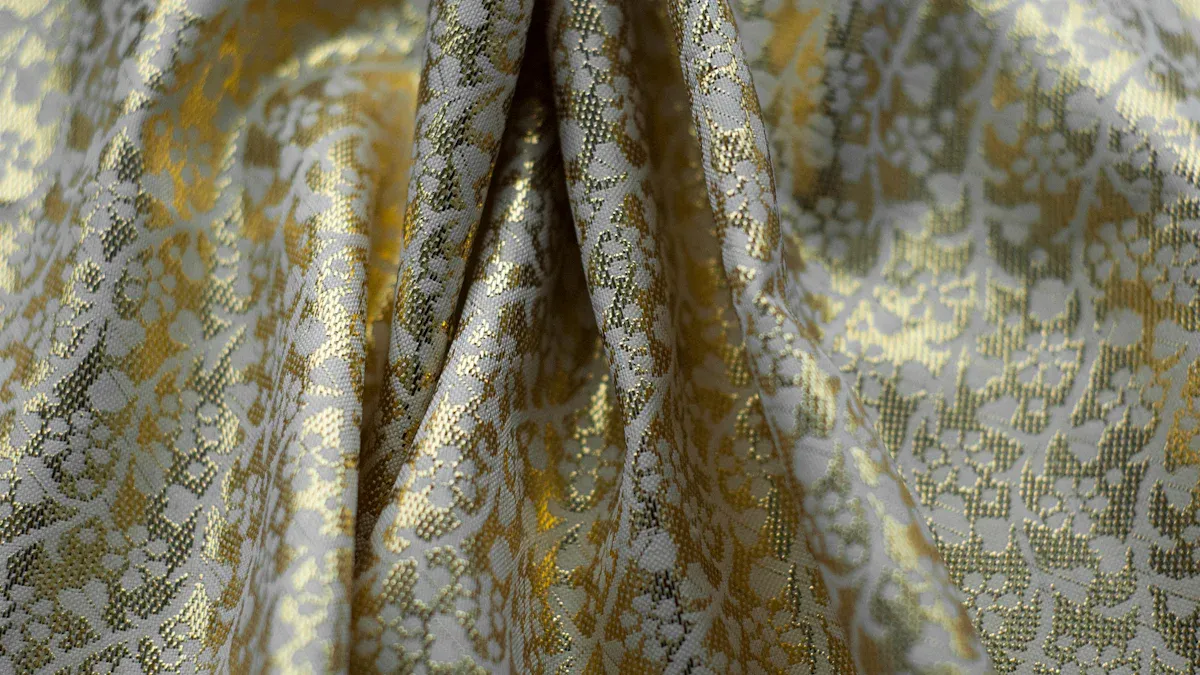
The patterns and visual appeal of brocade and jacquard fabrics also set them apart. Brocade is renowned for its intricate, often metallic patterns, which evoke a sense of luxury and elegance. These designs make brocade a popular choice for formal settings, such as wedding gowns and upscale home decor.
On the other hand, jacquard fabrics feature intricate, flat designs that offer versatility for both everyday and elegant applications. The smooth surface of jacquard allows it to be used in various home décor items, making it a favorite for both casual and formal uses. The ornamental properties of jacquard, combined with its durability, contribute to its popularity in upholstery.
Versatility in Use
Brocade and jacquard fabrics exhibit distinct versatility in their applications, catering to various design preferences and settings.
-
Brocade is often associated with luxury and formality. It finds its place in:
- Upholstery for high-end furniture
- Curtains and drapes that enhance elegance
- Decorative pillows that add a touch of sophistication
- Bedding for a lavish bedroom aesthetic
-
Jacquard, on the other hand, showcases remarkable adaptability. It suits both traditional and modern interiors, making it a popular choice for:
- Upholstery in casual and formal settings
- Drapery that complements various decor styles
- Bedding that balances comfort and style
- Table linens that elevate dining experiences
- Throw pillows and wall hangings that add character to spaces
The intricate weaving of jacquard allows for a broader range of uses, making it suitable for both clothing and home decor. Its smooth surface and lightweight nature enable easy integration into everyday items, while brocade’s raised patterns and luxurious feel often emphasize opulence in formal settings.
| Application Type | Fabric Type |
|---|---|
| Upholstery | Brocade |
| Curtains | Brocade |
| Drapes | Brocade |
| Decorative Pillows | Brocade |
| Bedding | Jacquard |
| Table Linens | Jacquard |
This table illustrates the common applications of each fabric type, highlighting their respective strengths in various home decor contexts.
Price Comparison
When considering the cost of brocade and jacquard fabrics, significant differences emerge. Brocade typically commands a higher price due to its complex weaving process and the luxurious materials often used. The average price per yard for brocade can range from $12.50 to $17.39, reflecting its premium quality.
In contrast, jacquard fabrics are generally more affordable, with prices averaging around $9.95 per yard. This cost-effectiveness makes jacquard an attractive option for those seeking versatility without compromising on style.
| Fabric Type | Price Per Yard |
|---|---|
| Brocade | $17.39 |
| Brocade | $16.96 |
| Brocade | $12.50 |
| Jacquard | $9.95 |
This price comparison table provides a clear overview of the financial considerations when choosing between brocade or jacquard fabric for upholstery.
Brocade Fabric
What Is Brocade?
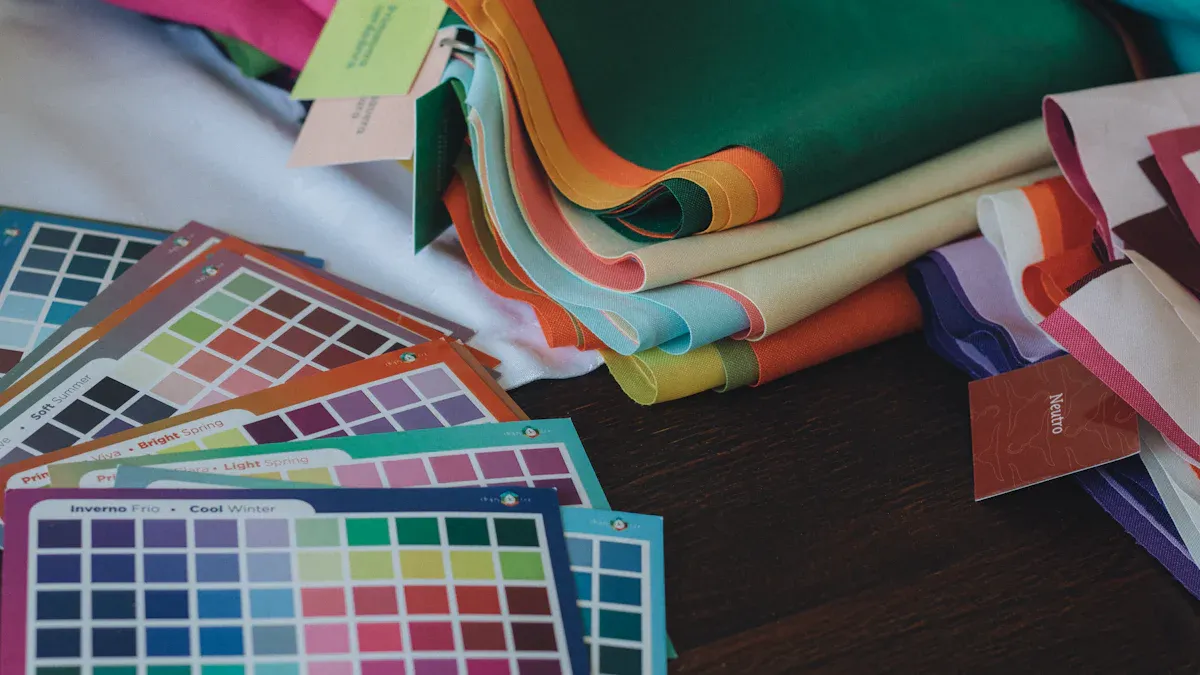
Brocade is a luxurious fabric known for its intricate woven patterns. Traditionally made from silk, it often features embellishments of gold or silver threads. This fabric stands out due to its rich, heavy texture and the raised floral or figured designs that emerge during the weaving process, typically using a Jacquard loom. Brocade’s unique characteristics reflect cultural significance and artistic expression, making it a favored choice in both fashion and home decor.
Features of Brocade
Brocade possesses several defining features that distinguish it from other decorative fabrics:
- Raised, Woven-in Pattern: The designs are integral to the fabric, providing a tactile quality.
- Rich and Colorful: Brocade showcases a variety of colors and intricate designs.
- Variety of Looks and Feels: Different types of threads create diverse textures and appearances.
| Feature | Description |
|---|---|
| Luxurious Fibers | Traditionally made from high-quality silk, now also includes polyester, nylon, and cotton. |
| Textural Contrast | Raised patterns create depth and a rich, substantial feel. |
| Color Variations | Features a range of colors woven into the fabric, from vivid jewel tones to muted shades. |
| Weight & Sturdiness | Heavier than many textiles, making it suitable for durable clothing and upholstery. |
Brocade’s intricate patterns and luxurious texture enhance its visual appeal. The fabric often includes metallic threads, adding depth and sophistication to its overall appearance.
Common Uses of Brocade
Brocade finds its place in various applications, particularly in upholstery and interior design. Its opulent nature makes it ideal for:
- Furniture Coverings: Brocade transforms sofas and chairs into grand focal points in any room.
- Draperies: Heavy brocade drapes enhance the elegance of living and dining spaces, providing a formal look.
- Decorative Pillows: Smaller items like pillows can incorporate brocade for a luxurious accent, adding texture and color.
- Bedding: Brocade can create a regal atmosphere in bedrooms, contributing to a lavish aesthetic.
Care and Maintenance of Brocade
Brocade fabric requires careful handling to maintain its luxurious appearance and texture. Proper care ensures longevity and preserves the intricate designs that characterize this elegant material. Here are some recommended practices for maintaining brocade upholstery:
-
Spot Clean for Minor Stains: For small spills or stains, use a gentle detergent solution. Dab the stain with a soft cloth, avoiding any rubbing that could damage the fabric.
-
Dry Clean for Major Stains: When faced with significant stains, opt for professional dry cleaning. This method protects the fabric’s design and texture, ensuring it remains intact.
-
Lay Flat to Dry: After washing, always lay the fabric flat to dry. This prevents distortion and helps maintain the original shape of the upholstery.
-
Iron Inside Out: When ironing, turn the fabric inside out. This protects the sheen and intricate details from direct heat exposure.
-
Use Low Heat: Set the iron to low heat to avoid damaging the delicate fibers of brocade. High temperatures can lead to burns or melting.
-
Place a Cotton Cloth Over Fabric: To further protect the fabric, place a cotton cloth over it while ironing. This helps distribute heat evenly and shields the brocade from direct contact with the iron.
-
Avoid Excessive Pressure: Glide the iron gently over the fabric. Excessive pressure can flatten the raised patterns that give brocade its unique texture.
-
Use Acid-free Tissue Paper for Storage: When storing brocade items, use acid-free tissue paper. This prevents color transfer and absorbs moisture, protecting the fabric from deterioration.
-
Store in a Cool, Dry Place: Keep brocade upholstery in a cool, dry environment. Use breathable fabric covers to maintain the fabric’s condition and prevent dust accumulation.
By following these care and maintenance tips, individuals can ensure that their brocade upholstery remains beautiful and functional for years to come. Proper attention to cleaning and storage will enhance the fabric’s durability and preserve its luxurious appeal.
Jacquard Fabric
What Is Jacquard?
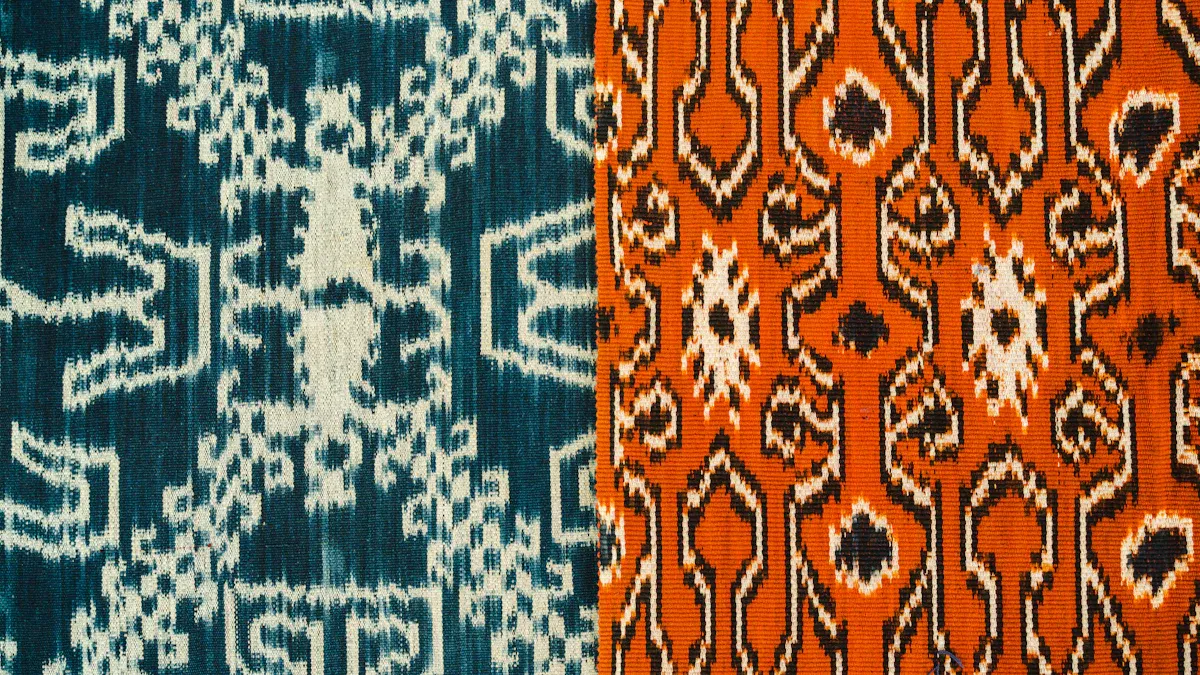
Jacquard fabric originated from brocade weaving, which dates back to the 4th century in Byzantium. Initially, artisans crafted intricate patterns by hand, making these fabrics rare and valuable. The invention of the jacquard loom by Joseph Marie Jacquard in 1804 revolutionized this process. This loom utilized punch cards to automate the weaving of complex designs, making jacquard fabrics more accessible while preserving the rich historical motifs from earlier brocade traditions. Today, jacquard fabric is celebrated for its versatility and aesthetic appeal.
Features of Jacquard
Jacquard fabric possesses several key features that enhance its suitability for upholstery:
- Intricate Patterns: Woven directly into the fabric, these patterns enhance the aesthetic appeal.
- Durability: The sturdy nature of the fabric ensures it can withstand daily use.
- Variety of Materials: Available in both natural and synthetic fibers, impacting texture and performance.
- Visual Appeal: Offers a luxurious look with a range of designs, adding elegance to decor.
- Versatility: Suitable for various applications, including upholstery and drapes.
- Fire-Retardant Options: Some fabrics are treated for safety in commercial spaces.
These features make jacquard a popular choice among designers and homeowners alike, as it combines beauty with practicality.
Common Uses of Jacquard
Jacquard fabric finds its place in numerous applications within modern home decor. Its versatility allows it to enhance various elements of interior design. Common uses include:
- Jacquard curtain material
- Cushion covers
- Bedspreads
- Wall hangings
- Upholstery for armchairs, sofas, and ottomans
Additionally, jacquard fabric is often used for:
- Drapery
- Bedding
- Table linens
- Throw pillows
The fabric’s ability to blend seamlessly into both casual and formal settings makes it a favored choice for many homeowners. Its intricate designs and durable nature ensure that jacquard remains a staple in contemporary upholstery and decor.
Care and Maintenance of Jacquard
Jacquard fabric requires specific care to maintain its beauty and durability. Proper maintenance ensures that the fabric remains vibrant and functional over time. Here are some essential tips for caring for jacquard upholstery:
-
Regular Maintenance: Regular upkeep is crucial for preserving jacquard fabric. Vacuuming with a soft-bristled attachment helps remove dirt and debris. This practice maintains the fabric’s softness and prevents the accumulation of dust.
-
Spot Cleaning: For minor stains, use a gentle, pH-neutral cleaner specifically formulated for delicate fabrics. Dab the stained area with a clean cloth, avoiding any rubbing that could damage the fibers.
-
Professional Cleaning: Schedule professional cleaning every 12 to 18 months, depending on usage and traffic. This service helps maintain the fabric’s integrity and appearance.
-
Avoid Direct Sunlight: Exposure to direct sunlight can cause fading. Position furniture away from windows or use curtains to protect jacquard upholstery from harsh light.
-
Air Drying: After cleaning, allow the fabric to air dry completely before storing or using it. This practice prevents moisture buildup, which can lead to mold or mildew.
For machine-washable jacquard, follow these guidelines:
- Use cold water and mild detergent on a gentle cycle.
- For hand washing, gently swish the fabric in cold water with a non-bleaching detergent and rinse thoroughly.
- Avoid machine drying; instead, reshape the fabric while damp and air dry to prevent damage.
By adhering to these care practices, individuals can ensure that their jacquard upholstery remains in excellent condition. Regular maintenance, combined with proper cleaning techniques, will enhance the fabric’s longevity and aesthetic appeal.
Brocade or Jacquard Fabric for Upholstery
Best Uses for Upholstery
When selecting between brocade or jacquard fabric for upholstery, understanding their best uses is essential. Brocade excels in formal settings due to its luxurious texture and intricate patterns. It transforms furniture into statement pieces, making it ideal for high-end sofas, armchairs, and drapes. The raised designs of brocade add depth and elegance, enhancing the overall aesthetic of a room.
In contrast, jacquard fabric offers remarkable versatility. Its smooth surface and durable nature make it suitable for both casual and formal applications. Homeowners often choose jacquard for everyday upholstery, such as dining chairs and family room sofas. The intricate woven designs allow jacquard to complement various decor styles, from traditional to contemporary.
| Fabric Type | Best Uses |
|---|---|
| Brocade | Formal upholstery, drapes, pillows |
| Jacquard | Everyday upholstery, casual decor |
Style Preferences
Style preferences play a significant role in choosing between brocade or jacquard fabric. Brocade is often favored for its opulent appearance, making it a popular choice for those who appreciate classic elegance. Homeowners may opt for brocade in rich colors like deep red or gold, which evoke a sense of luxury.
On the other hand, jacquard fabric appeals to those seeking a more versatile and modern aesthetic. Its ability to feature intricate patterns without overwhelming a space makes it suitable for various design themes. Popular choices include refined, tone-on-tone damask and floral jacquard fabrics, which can enhance both classic and bohemian-inspired interiors.
Tip: Consider the overall theme of your home when selecting between brocade or jacquard fabric. Choose brocade for a formal, luxurious look, and jacquard for a more adaptable and contemporary style.
Budget Considerations
Budget constraints significantly influence the selection of brocade or jacquard fabrics for upholstery projects. Generally, jacquard fabrics tend to be more affordable due to their manufacturing process. However, intricate designs and high-quality materials can increase costs. Brocade, while often perceived as a luxury fabric, can also vary in price depending on the materials used.
Understanding your budget is crucial for making an informed choice. For those on a tighter budget, jacquard offers a cost-effective solution without sacrificing style. Conversely, if the goal is to create a lavish atmosphere, investing in brocade may be worthwhile.
| Fabric Type | Price Range (per yard) |
|---|---|
| Brocade | $12.50 – $17.39 |
| Jacquard | $9.95 |
By weighing the advantages and disadvantages of each fabric type, individuals can select the most suitable option for their upholstery needs.
Summary of Findings
Brocade and jacquard fabrics differ significantly in texture, weight, and application. Brocade excels in formal settings with its luxurious, raised patterns, while jacquard offers versatility for both casual and elegant uses.
When making a final decision, consider these factors:
- Durability and Use
- Style and Aesthetic
- Color and Pattern
- Comfort and Texture
- Maintenance Requirements
The aesthetic appeal of your fabric is equally important. Upholstery can define the tone of a room, so it’s essential to consider the style of the furniture and the space it will occupy.
For those seeking elegance, brocade is ideal. However, jacquard provides a practical option for everyday use. Ultimately, the choice should align with personal style and budget.
FAQ
What is the main difference between brocade and jacquard fabrics?
Brocade features raised patterns and a luxurious texture, while jacquard has intricate, flat designs. Brocade is often heavier and more formal, whereas jacquard is lighter and more versatile for various applications.
Can I use brocade for everyday upholstery?
While brocade can be used for everyday upholstery, it is best suited for formal settings. Its luxurious appearance makes it ideal for special occasions rather than daily use.
Is jacquard fabric machine washable?
Many jacquard fabrics are machine washable. Always check the care label for specific instructions. Use cold water and a gentle cycle to maintain the fabric’s integrity.
How do I clean brocade upholstery?
For minor stains, spot clean with a gentle detergent. For significant stains, professional dry cleaning is recommended to preserve the fabric’s texture and design.
Are brocade and jacquard fabrics durable?
Both fabrics are durable, but jacquard is generally more resistant to wear and tear. Brocade’s heavy texture makes it suitable for formal upholstery, while jacquard withstands everyday use.
What are the best color choices for brocade upholstery?
Rich colors like deep red, gold, and royal blue enhance brocade’s luxurious appearance. These shades create a dramatic effect, perfect for formal settings.
Can I mix brocade and jacquard in my decor?
Yes, mixing brocade and jacquard can create a visually appealing contrast. Use brocade for statement pieces and jacquard for complementary items to achieve a balanced look.
How do I store brocade and jacquard fabrics?
Store both fabrics in a cool, dry place. Use breathable fabric covers to protect them from dust and moisture. Avoid direct sunlight to prevent fading.