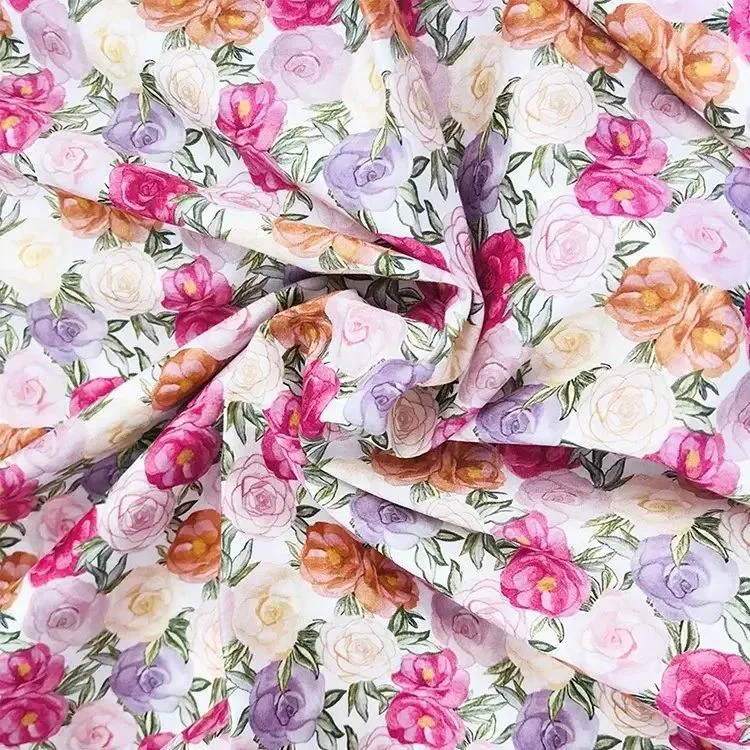
Dressmakers value comfort and elegance in every creation. The unique weave of 100% cotton poplin fabric for dress allows air to circulate easily, keeping the wearer cool. Soft fibers provide a gentle touch against the skin, which enhances the overall wearing experience. Shoppers can identify premium fabric by feeling its smoothness and observing its light drape. A quick touch test often reveals both breathability and softness.
Key Takeaways
- 100% cotton poplin fabric offers excellent breathability and softness, making it comfortable for dresses.
- Look for a tight plain weave and a thread count between 100 and 200 for the best balance of strength and softness.
- Choose fabric weight based on your dress style: lightweight for flowy summer dresses, medium for tailored looks, and heavyweight for structured garments.
- Check fabric softness and breathability by feeling the texture and performing a quick water absorption test.
- Select the right finish—matte, mercerized, or pre-washed—to match your desired look and comfort level.
- Use proper sewing tools like universal needles (sizes 70/10 or 80/12) and suitable thread types to protect the fabric and ensure smooth stitching.
- Test fabric drape by hanging or scrunching it to see how it moves and holds shape for your dress design.
- Care for cotton poplin by washing gently with mild detergent, air drying when possible, and ironing at medium heat with a pressing cloth to maintain softness and durability.
Understanding 100% Cotton Poplin Fabric for Dress
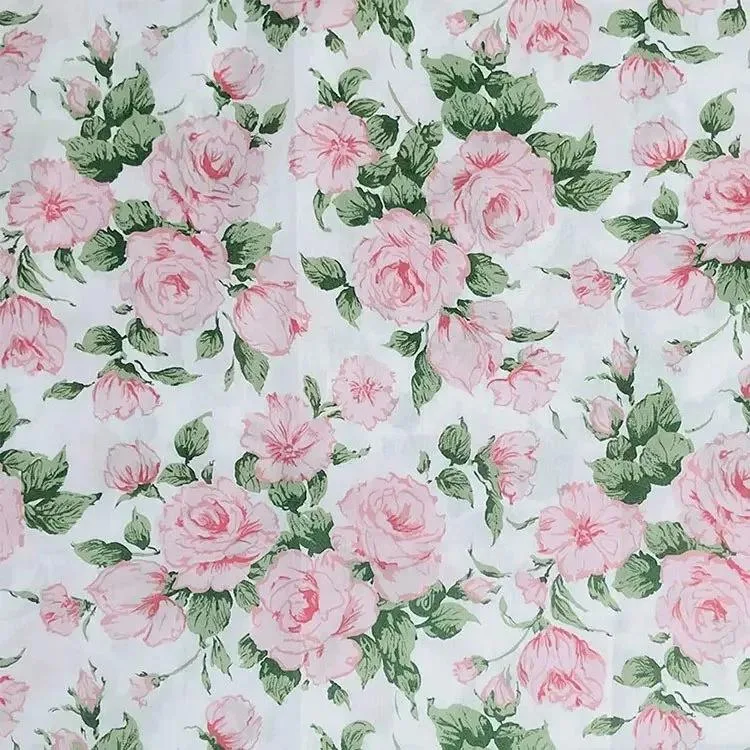
What Is 100% Cotton Poplin Fabric for Dress?
The weave and texture explained
100% cotton poplin fabric for dress features a plain weave construction. Manufacturers use fine warp yarns and thicker weft yarns, which create subtle horizontal ribs across the surface. This structure results in a fabric that feels crisp yet smooth to the touch. The compact weave gives poplin its signature strength and a slight sheen, enhancing the visual appeal of finished garments. Unlike twill, poplin’s weave remains tight and flat, which helps the fabric hold its shape and resist wrinkling.
Tip: When examining poplin, look for a silky, lustrous surface and a strong, crisp texture. These qualities indicate a high-quality weave.
Popular uses in dressmaking
Designers and dressmakers choose 100% cotton poplin fabric for dress because of its versatility. The fabric works well for both men’s and women’s shirts, summer dresses, skirts, and lightweight jackets. Its crisp drape and subtle sheen make it ideal for structured silhouettes and tailored looks. Many also use poplin for children’s clothing, uniforms, and even home décor items like pillow covers due to its durability and easy care.
Why Choose 100% Cotton Poplin Fabric for Dress?
Natural fiber benefits for comfort
Cotton poplin stands out for its comfort, thanks to its natural fiber composition. Cotton fibers feel soft against the skin and do not cause irritation. The fabric’s hydrophilic nature allows it to absorb moisture, keeping the wearer dry and comfortable. Cotton’s ability to conduct heat helps regulate body temperature, making garments suitable for warm weather. The lightweight and smooth texture of poplin further enhances comfort, especially in dresses and shirts.
| Property | Description and Comfort Contribution |
|---|---|
| Softness | Cotton has a soft hand and feels good against the skin, causing no irritation. |
| Hydrophilic Nature | Cotton attracts and absorbs moisture away from the body, enhancing comfort by keeping skin dry. |
| Moisture Permeability | Moisture passes freely through cotton, aiding evaporation and providing a cooling effect. |
| Heat Conductivity | Cotton dissipates heat well, helping maintain a comfortable temperature in garments. |
| Lightweight & Smooth | Poplin is a lightweight, smooth fabric with a tight weave and slight sheen, making it suitable and comfortable for dressmaking. |
| Durability & Launderability | Cotton gains strength when wet, is abrasion resistant, and can be machine washed or dry cleaned, supporting garment longevity and comfort. |
Differences from blends and synthetics
Unlike synthetic blends, 100% cotton poplin fabric for dress offers superior breathability and moisture management. Synthetic fibers may trap heat and moisture, leading to discomfort. Cotton poplin, on the other hand, allows air to circulate and moisture to evaporate, which keeps the wearer cool and dry. The natural fibers also provide a softer hand feel compared to many blends.
Breathability and Softness in 100% Cotton Poplin Fabric for Dress
How the weave supports airflow
The plain weave structure of cotton poplin promotes airflow. Fine yarns and a tight weave allow air to move through the fabric while maintaining strength. This design helps prevent overheating and ensures the fabric remains comfortable during extended wear.
What makes cotton poplin soft to the touch
Cotton poplin’s softness comes from the cellulose composition of cotton fibers. These smooth plant hairs reduce friction, resulting in a gentle, non-irritating surface. The compact weave keeps the fabric smooth and crisp, while the natural breathability and moisture absorbency of cotton enhance the overall comfort. Poplin’s smooth texture also helps prevent skin irritation, making it an excellent choice for sensitive skin.
Key Features to Look For in 100% Cotton Poplin Fabric for Dress
Weave Quality
Tight vs. loose weaves
Weave quality plays a crucial role in determining the comfort and performance of cotton poplin. A tight plain weave creates a fabric that feels smooth and crisp, offering a pleasant touch against the skin. This structure also enhances durability, making the fabric resistant to tearing and everyday wear. Loose weaves, on the other hand, may result in a fabric that lacks structure and can feel less refined. High-quality poplin uses fine yarns woven closely together, which helps maintain the fabric’s signature balance of softness and strength.
- A tight weave provides a smooth, slightly crisp texture.
- The fabric remains lightweight and breathable, suitable for warm weather.
- Durability increases with a tighter weave, reducing the risk of snags or tears.
- The tactile feel improves as the fabric softens with washing and wearing.
Tip: When shopping, gently stretch a small section of the fabric. A high-quality poplin will return to its original shape and resist distortion.
Drape and comfort impact
The drape of cotton poplin depends on the weave’s density and the quality of the cotton fibers. A well-constructed poplin drapes elegantly, holding its shape while allowing for comfortable movement. This quality makes it ideal for dresses that require both structure and flow. The crispness of the weave supports tailored designs, while the inherent softness ensures comfort throughout the day. Poor weave quality can lead to a stiff or scratchy feel, which may affect the overall comfort of the finished garment.
Thread Count
Ideal thread count for dresses
Thread count refers to the number of threads woven into one square inch of fabric. For 100% cotton poplin fabric for dress, an ideal thread count typically ranges from 100 to 200. This range offers a balance between softness, breathability, and durability. Lower thread counts may result in a coarser texture, while excessively high thread counts can make the fabric feel heavy and less breathable.
| Thread Count Range | Texture & Feel | Suitability for Dresses |
|---|---|---|
| 80-120 | Light, slightly crisp | Good for casual styles |
| 120-200 | Smooth, soft, durable | Ideal for most dresses |
| 200+ | Dense, less breathable | Best for structured looks |
How thread count affects feel and durability
A moderate thread count ensures the fabric remains lightweight and comfortable. Higher thread counts increase the density, which can enhance durability but may reduce breathability. The right thread count allows the fabric to feel soft against the skin while maintaining enough strength for repeated wear and washing. Dressmakers often select poplin with a balanced thread count to achieve both comfort and longevity in their garments.
Fabric Finish
Types of finishes (matte, mercerized, pre-washed)
Fabric finish refers to the final treatment applied to cotton poplin after weaving. Common finishes include:
- Matte finish: Offers a natural, understated look without shine. This finish highlights the fabric’s texture and is popular for everyday dresses.
- Mercerized finish: Involves treating the cotton fibers with a caustic solution, which increases luster, strength, and dye absorption. Mercerized poplin appears slightly shinier and feels smoother.
- Pre-washed finish: The fabric undergoes washing before sale, resulting in a softer hand and reduced shrinkage. Pre-washed poplin feels comfortable from the first wear.
Note: Suerte Textile’s floral printed poplin features a matte finish, providing an elegant, non-reflective surface that complements a variety of dress styles.
Finish effects on softness and breathability
The choice of finish can influence both the softness and breathability of cotton poplin. Matte and pre-washed finishes tend to enhance the fabric’s natural softness, making it gentle on the skin. Mercerized finishes add smoothness and a subtle sheen, which can elevate the appearance of formal dresses. All finishes should preserve the inherent breathability of cotton, ensuring the fabric remains comfortable for all-day wear. Dressmakers should consider the intended use and desired look when selecting a finish, as this detail can impact both the feel and performance of the final garment.
Weight and Thickness
Choosing the right weight for dress styles
Weight plays a critical role in how cotton poplin fabric performs in dressmaking. Fabric weight, measured in grams per square meter (gsm), determines the drape, structure, and comfort of the finished garment. Dressmakers often select fabric weight based on the intended style and season.
- Lightweight poplin (80-110 gsm): This weight suits summer dresses, blouses, and shirts. The fabric feels airy and soft, allowing for excellent breathability. Designers often choose lightweight poplin for garments that require gentle drape and movement.
- Medium-weight poplin (110-150 gsm): Medium-weight options provide more structure. These fabrics work well for tailored dresses, skirts, and casual jackets. The added weight supports crisp lines and defined silhouettes.
- Heavyweight poplin (150+ gsm): Heavier poplin offers durability and a more substantial feel. This weight fits structured dresses, uniforms, and outerwear. The fabric holds its shape and resists wrinkling.
Tip: Suerte Textile’s floral printed 100% cotton poplin fabric weighs approximately 100 gsm. This lightweight profile makes it ideal for flowy dresses, summer skirts, and comfortable shirts.
The right weight enhances both comfort and style. Lightweight poplin creates soft, flowing garments. Medium and heavyweight poplin delivers more body and definition. Dressmakers should always match fabric weight to the design’s requirements.
Balancing opacity and lightness
Opacity and lightness must work together to achieve both comfort and modesty in dressmaking. Cotton poplin’s weave and weight influence how much light passes through the fabric. Designers need to consider the intended use and the wearer’s preferences.
| Fabric Weight (gsm) | Opacity Level | Best Use Cases |
|---|---|---|
| 80-100 | Slightly sheer | Summer dresses, blouses, layering |
| 110-130 | Semi-opaque | Everyday dresses, skirts |
| 140+ | Opaque | Structured dresses, uniforms |
Lightweight poplin often appears slightly sheer, especially in pale colors or under bright lighting. This quality adds delicacy and elegance to summer dresses. However, some styles may require additional coverage.
- For sheer fabrics, dressmakers can add a lining or use layering techniques.
- Medium-weight poplin usually provides enough opacity for most dress styles.
- Heavyweight poplin ensures full coverage and structure.
Note: When evaluating fabric in-store, hold a single layer up to the light. This simple test reveals the level of transparency. Online shoppers should check product descriptions for gsm and opacity details.
Balancing opacity and lightness ensures the finished garment feels comfortable and looks polished. Designers achieve the best results by selecting fabric weight that matches both the style and the wearer’s needs.
Evaluating 100% Cotton Poplin Fabric for Dress In-Store and Online
Touch and Feel
What to notice when handling fabric
Shoppers often rely on their senses when evaluating fabric in-store. Cotton poplin stands out due to its natural softness and slightly uneven texture, which feels cozy and inviting. When handling the fabric, pay attention to its warmth and flexibility. Cotton stretches more than synthetic alternatives, offering a gentle, pliable touch. A quick water absorption test can also help: drop a small amount of water on the surface. Cotton poplin absorbs moisture quickly, while polyester causes water to bead up. These simple tests help distinguish authentic cotton poplin from blends.
- Softness and warmth signal natural cotton fibers.
- Slightly uneven texture provides a cozy, natural feel.
- Quick water absorption confirms cotton content.
Signs of quality and comfort
High-quality 100% cotton poplin fabric for dress feels smooth yet crisp. The fabric should not feel stiff or scratchy. Flexibility and a gentle drape indicate comfort. In-store, avoid fabrics that feel overly rigid or slippery, as these may contain synthetic fibers. Online shoppers should look for detailed product descriptions that mention softness, breathability, and fabric weight. Reviews from other buyers often reveal real-world experiences with comfort and quality.
Tip: Always check care instructions. Proper washing and ironing help maintain the fabric’s softness and longevity.
Drape and Movement
Testing for flow and flexibility
Drape and movement play a crucial role in dressmaking. Several techniques help assess these qualities:
- Hang Test: Hold a corner of the fabric and let it fall naturally. Good drape forms soft folds close to the body.
- Draping Over an Object: Place the fabric over a mannequin or chair back. Observe if it follows curves or creates angles.
- Gathering: Pinch and pull the fabric along one edge. High-drape fabrics form soft, numerous gathers.
- Scrunch Test: Scrunch the fabric in your hand and release it. Quality poplin spreads out smoothly.
Cotton poplin typically offers a mid-weight drape, balancing flow and structure. Dresses made from this fabric appear light, airy, and structured, making them ideal for summer wear.
Matching drape to dress patterns
Different dress patterns require specific drape qualities. Flowy summer dresses benefit from poplin’s light and airy drape. Structured designs, such as tailored shirts or skirts, also suit this fabric due to its ability to hold shape. Always match the fabric’s drape to the intended garment style for the best results.
Transparency and Opacity
Checking for see-through areas
Lightweight cotton poplin may appear slightly sheer, especially in pale colors or under bright lighting. To check opacity, hold a single layer up to the light. If the fabric reveals outlines or colors behind it, consider additional coverage.
Tips for lining or layering
| Technique | Description | Effect on Opacity and Fabric Behavior |
|---|---|---|
| Underlining | Cut both the fashion fabric and underlining from the same pattern pieces, then baste together. | Stabilizes lightweight fabrics, reduces transparency, and prevents seam allowances from showing. Fabric behaves as one. |
| Lining | Attach a separate fabric layer inside the garment at select points, allowing it to hang freely. | Reduces transparency, may affect fit and drape differently than underlining. |
Underlining with cotton batiste or lightweight broadcloth improves opacity while maintaining softness. Lining adds coverage but may slightly alter the garment’s fit and movement. Choose the method that best suits the dress style and desired comfort.
Reading Product Descriptions Online
Key terms to look for
Online shopping for cotton poplin fabric requires careful attention to product descriptions. Shoppers should focus on specific terms that reveal the fabric’s quality and suitability for dressmaking.
- Fiber content: Look for 100% cotton to ensure breathability, durability, and easy care.
- Weave type: Plain weave is standard for poplin and provides a smooth, crisp texture.
- Fabric weight: Measured in grams per square meter (gsm), this detail helps determine if the fabric matches the intended project. For dresses, a weight around 100 gsm offers lightness and comfort.
- Finishing processes: Descriptions may mention mercerization, pre-shrinking, or pre-washing. These finishes affect softness, luster, and shrinkage resistance.
- Texture and feel: Words like “smooth,” “soft,” “crisp,” and “lightweight” indicate comfort and versatility.
- Wrinkle resistance: This feature helps maintain a polished look with less ironing.
- Care instructions: Proper washing and drying methods help preserve softness and prevent shrinkage.
- Sustainability: Terms such as “organic cotton” or “sustainably sourced” appeal to eco-conscious buyers.
- Bulk purchase options: Buying in larger quantities can ensure consistent quality and cost savings.
- Sample availability: Retailers who offer swatches or samples show confidence in their product and help customers make informed decisions.
Tip: Always check the width of the fabric, as this affects how much material you need for your project.
How to interpret reviews and ratings
Customer reviews and ratings provide valuable insight into the real-world performance of cotton poplin fabric.
- High ratings often reflect satisfaction with softness, breathability, and color accuracy.
- Detailed reviews may mention how the fabric feels against the skin, how it drapes, and whether it matches the online description.
- Look for comments about ease of sewing, shrinkage after washing, and how well the fabric holds up over time.
- Consistent praise for features like “lightweight,” “comfortable,” or “easy to work with” signals a reliable product.
- Negative feedback about color discrepancies or unexpected sheerness can help set realistic expectations.
Note: Reviews that include photos of finished garments offer a helpful visual reference for fabric appearance and drape.
Requesting Swatches
Why swatches matter
Swatches play a crucial role in fabric selection, especially when shopping online. A small sample allows shoppers to physically assess the fabric’s texture, weight, and color accuracy. Screen displays can distort colors, so a swatch provides a true representation. Handling a swatch helps determine softness, drape, and opacity, ensuring the fabric meets project requirements before committing to a larger purchase.
Many reputable retailers, including Suerte Textile, offer free or low-cost swatches to support confident buying decisions.
How to order and evaluate swatches
Ordering and evaluating swatches involves several clear steps:
- Identify the fabric’s intended use, considering weight, color, and pattern.
- Research trusted online retailers with positive reviews and clear return policies.
- Compare prices, factoring in shipping costs.
- Read customer feedback to gauge fabric quality and color accuracy.
- Review detailed product information, including width, weight, and care instructions.
- Calculate the required fabric amount, allowing extra for mistakes or shrinkage.
- Add the desired fabric to the cart, double-checking color and quantity.
- Confirm order details before completing the purchase.
- Track the shipment using the provided tracking number.
After receiving swatches, evaluate them by touch and sight. Check for softness, drape, and true color. Hold the swatch up to the light to assess opacity. These steps help ensure the selected cotton poplin fabric aligns with dressmaking needs and expectations.
Practical Sewing Tips for 100% Cotton Poplin Fabric for Dress
Needle and Thread Choices
Best needle sizes for poplin
Selecting the correct needle ensures smooth sewing and prevents fabric damage. Universal needles work well for 100% cotton poplin fabric for dress. Sizes 70/10 or 80/12 provide the best results for lightweight to medium-weight poplin. These needles pierce the fabric cleanly, reducing skipped stitches and puckering. Dressmakers should always use a fresh, sharp needle for each new project to maintain stitch quality.
Recommended thread types
Cotton poplin pairs best with all-purpose cotton or polyester thread. Cotton thread blends seamlessly with natural fibers, creating soft, flexible seams. Polyester thread offers added strength and resists breakage, making it suitable for garments that require durability. Both thread types glide smoothly through poplin’s tight weave, ensuring even stitches and a professional finish.
Tip: Match thread color closely to the fabric for invisible seams, or choose a contrasting shade for decorative topstitching.
Cutting and Handling
Preventing fraying and distortion
Proper cutting and handling techniques help maintain the integrity of cotton poplin. Dressmakers can follow these steps to prevent fraying and distortion:
- Use a sharp rotary cutter and a self-healing mat for precise, clean edges.
- Trim raw edges with pinking shears to create a zigzag pattern that discourages fraying.
- Apply fabric stabilizers or liquid seam sealants to raw edges for extra protection.
- Finish edges with a serger or zigzag stitch to secure threads.
- Staystitch curved or bias edges within the seam allowance to prevent stretching.
- Press seams with an iron and pressing cloth to set the fabric and reduce distortion.
Careful storage also matters. Fold fabric neatly and avoid rough handling to keep edges intact.
Marking and pinning techniques
Accurate marking and pinning ensure pattern pieces stay aligned. Use tailor’s chalk or washable fabric pens for clear, temporary marks. Fine glass-head pins or clips hold layers together without leaving holes or snags. Pin perpendicular to the seam line for easy removal during sewing. For delicate prints, test marking tools on a scrap to avoid permanent stains.
Seam Finishes
French seams for neatness
French seams create a clean, enclosed finish ideal for lightweight or slightly sheer poplin. This technique hides raw edges inside the seam, preventing fraying and giving garments a polished interior. French seams work especially well for unlined dresses, blouses, and children’s clothing.
Note: French seams add durability and a refined look, making them a favorite among professional dressmakers.
Overlocking and zigzag options
Overlocking (serging) and zigzag stitches offer quick, effective ways to finish raw edges. An overlocker trims and encloses edges in one step, producing strong, fray-resistant seams. A zigzag stitch on a standard sewing machine also secures threads and prevents unraveling. Both methods suit high-stress areas or garments that will undergo frequent washing.
| Seam Finish | Best Use Cases | Benefits |
|---|---|---|
| French Seam | Lightweight, sheer, or unlined dresses | Neat, enclosed, fray-proof |
| Overlocking | Everyday wear, high-stress seams | Fast, durable, professional |
| Zigzag Stitch | Quick finishing, home sewing | Simple, effective, versatile |
Dressmakers who master these techniques achieve long-lasting, comfortable garments from 100% cotton poplin fabric for dress.
Pressing and Ironing
Temperature settings for cotton poplin
Cotton poplin responds well to careful pressing and ironing. Dressmakers achieve the best results by selecting the correct temperature setting. Cotton fibers tolerate moderate heat, but excessive temperatures can cause scorching or yellowing. Most experts recommend setting the iron to a low or medium heat, typically between 250°F and 300°F (120°C to 150°C). This range preserves the fabric’s integrity and prevents unwanted damage.
A steam iron enhances the pressing process. Steam relaxes fibers and removes wrinkles efficiently. Dressmakers often use a pressing cloth, such as a clean piece of cotton muslin, to shield the fabric from direct contact with the iron. This simple barrier prevents shine and protects delicate prints or finishes. Ironing on the reverse side of the fabric also helps maintain vibrant colors and avoids surface discoloration.
| Iron Setting | Temperature Range | Suitable For |
|---|---|---|
| Low | 250°F / 120°C | Lightweight poplin |
| Medium | 300°F / 150°C | Medium-weight poplin |
| Steam | Variable | All cotton poplin |
Tip: Always test the iron on a small, inconspicuous area before pressing the entire garment. This precaution ensures the chosen temperature does not harm the fabric.
Dressmakers should avoid ironing directly over buttons, zippers, or embellishments. These details may melt or deform under heat. Instead, iron around these areas or use a protective cloth.
Tips for crisp seams and hems
Achieving crisp seams and hems elevates the appearance of cotton poplin dresses. Dressmakers follow several best practices to ensure professional results. First, they press seams open immediately after stitching. This step flattens the seam allowance and sets the stitches, creating a smooth finish. Using a tailor’s ham or seam roll helps maintain the garment’s shape while pressing curved seams.
For hems, pressing before sewing ensures accuracy. Dressmakers fold the hem to the desired width, then press sharply with the iron. This technique creates a defined edge and simplifies stitching. After sewing, a final press secures the hem and enhances the garment’s structure.
A spray bottle filled with clean water can assist in stubborn areas. Lightly misting the fabric before pressing relaxes fibers and removes deep creases. Dressmakers avoid excessive moisture, which may cause water spots or shrinkage.
- Press seams open for a flat, polished look.
- Use a tailor’s ham for curved areas.
- Fold and press hems before stitching.
- Mist with water for stubborn wrinkles.
Note: Ironing on the reverse side preserves the fabric’s surface and prevents shine, especially on printed or matte-finished cotton poplin.
Consistent pressing throughout the sewing process ensures every cotton poplin dress looks crisp, neat, and professionally finished. Proper technique maintains the fabric’s softness and breathability, supporting both comfort and style.
Caring for 100% Cotton Poplin Fabric for Dress
Washing Guidelines
Machine vs. hand washing
Proper cleaning preserves the quality and comfort of 100% cotton poplin fabric for dress. Many dressmakers prefer machine washing for convenience. They select a gentle cycle and use cold or lukewarm water. This approach prevents excessive wear and maintains the fabric’s softness. Hand washing offers greater control. Individuals soak the fabric in cool water and gently agitate it. This method reduces stress on fibers and protects delicate prints. Both techniques remove dirt and oils without damaging the weave.
Tip: Always separate light and dark colors before washing to prevent color transfer.
Detergent choices for softness
Detergent selection influences the feel of cotton poplin. Mild, liquid detergents work best. They clean thoroughly and leave no residue. Harsh powders or bleach-based products can weaken fibers and dull prints. Many experts recommend detergents formulated for delicate fabrics. These products maintain softness and preserve vibrant colors. Fabric softeners may add a gentle touch, but dressmakers use them sparingly to avoid buildup.
Drying and Storing
Air drying vs. tumble drying
Drying methods affect the longevity of cotton poplin garments. Air drying remains the preferred choice. Individuals lay garments flat on a clean towel or hang them on padded hangers. This technique prevents stretching and maintains t