Certifications play a crucial role in establishing product credibility. GRS and OEKO-TEX standards are particularly significant as they assure consumers of safety and sustainability. Research shows that these certifications build consumer trust, often leading to a willingness to pay more for certified products, including those made from rib fabric.
Key Takeaways
- Certifications like GRS and OEKO-TEX enhance product credibility by ensuring safety and sustainability, which builds consumer trust.
- Obtaining certifications requires following structured processes, including audits and documentation, to demonstrate compliance with industry standards.
- Communicating certification validity to consumers is essential for brand credibility; clear information fosters informed purchasing decisions.
Essential Product Certifications

In the textile and apparel industry, several certifications ensure product quality, safety, and sustainability. These certifications help businesses meet consumer expectations and regulatory requirements. Here are some of the most common product certifications:
- ISO 9001 (2015): This certification focuses on quality management systems, ensuring consistent product quality.
- Global Organic Textile Standard (GOTS): GOTS certifies organic textiles, promoting environmentally friendly practices.
- Fair Trade: This certification ensures equitable trade relationships, supporting fair wages and working conditions.
- ECO PASSPORT by OEKO-TEX: This certification tests chemicals for safety in textiles, ensuring that products are free from harmful substances.
- SA8000: This social certification promotes fair working conditions across the supply chain.
- Worldwide Responsible Apparel Production (WRAP): WRAP focuses on ethical manufacturing practices.
- Bluesign: This certification ensures responsible resource use and safety in textile production.
- Zero Discharge of Hazardous Chemicals (ZDHC): ZDHC aims to eliminate hazardous chemicals in production processes.
Understanding these certifications is crucial for businesses that produce rib fabric and other textile products. Each certification addresses specific aspects of production, from environmental impact to social responsibility. By obtaining these certifications, companies can enhance their credibility and appeal to a growing market of conscious consumers.
Global Recycled Standard (GRS)
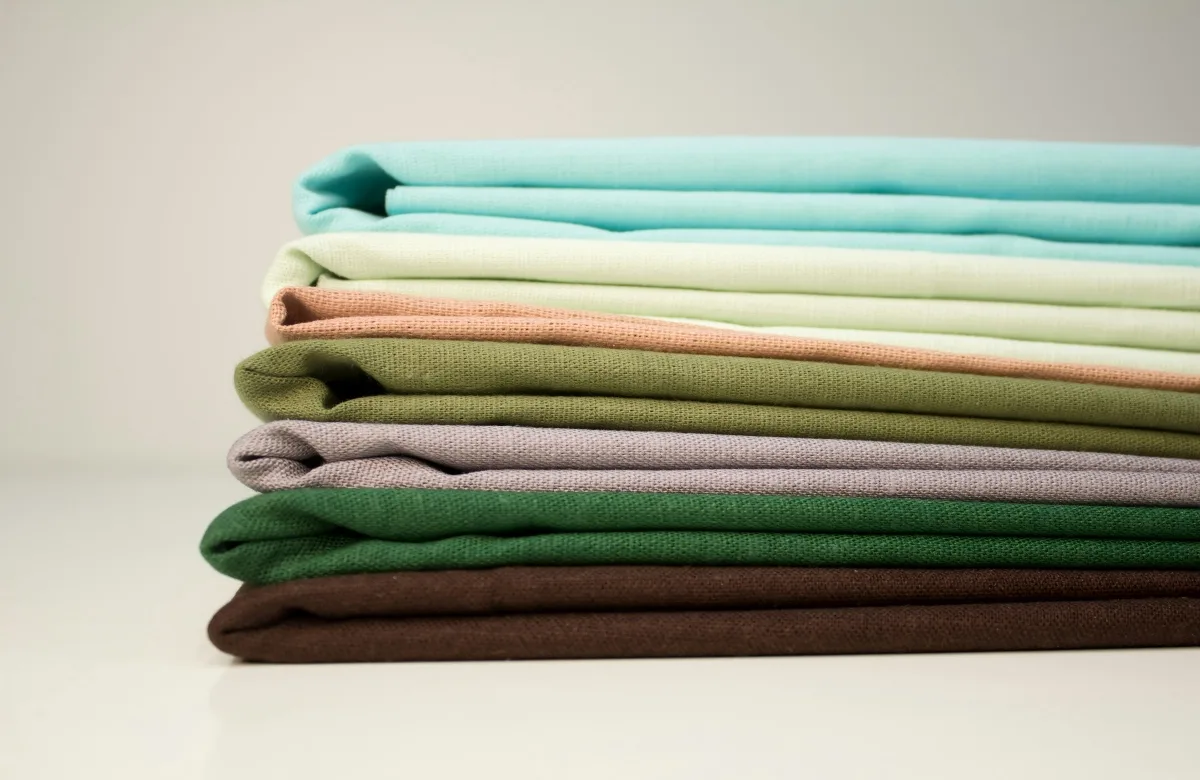
Overview of GRS
The Global Recycled Standard (GRS) is an international certification that verifies the recycled content in products. It aims to promote the use of recycled materials and ensure responsible production practices. GRS certification covers various aspects, including environmental compliance, social responsibility, and chemical safety. Companies that achieve GRS certification demonstrate their commitment to sustainability and ethical practices.
To qualify for GRS certification, products must meet several key criteria:
- Recycled Material Content Requirements: A minimum of 50% recycled material is necessary, with detailed records of sources and traceability.
- Chain of Custody (CoC) Compliance: A robust tracking system for recycled materials throughout the supply chain is essential.
- Environmental Compliance: Adherence to waste management practices and reduction of ecological impact is required.
- Social Responsibility & Ethical Practices: Compliance with labor and human rights standards ensures fair treatment of workers.
- Chemical Restrictions & Safety Compliance: Prohibition of harmful chemicals and adherence to safety standards is mandatory.
- Documentation & Record-Keeping: Maintenance of detailed records to verify compliance is crucial.
- Third-Party Audits & Certification Process: Independent audits assess compliance and maintain certification.
How to Obtain GRS Certification
Obtaining GRS certification involves a systematic process. Manufacturers must follow these steps:
- Submit a Certification Application to an Audit Company.
- Review and sign the contract provided by the audit institution.
- The approval agency registers the applicant and issues a registration number.
- Make payment as per the issued quotation contract.
- Conduct on-site audits and receive a formal report.
- Receive the certificate detailing any non-compliances and remedial actions.
This structured approach ensures that companies meet the necessary standards for GRS certification.
Validating GRS Certification
Validation of GRS certification is crucial for maintaining credibility. Third-party organizations conduct audits to verify compliance with GRS criteria. These audits include:
| Requirement | Description |
|---|---|
| Third-party audits | Conducted to ensure compliance with GRS criteria, including recycled content verification. |
| Environmental and chemical compliance | Ensures that products meet specific environmental and chemical standards. |
| Social standards | Validates adherence to social responsibility practices in the production process. |
By adhering to these validation processes, companies can assure consumers of their commitment to sustainability and ethical practices.
Incorporating GRS certification into product offerings, especially for items made from rib fabric, enhances marketability and aligns with consumer demand for sustainable products.
OEKO-TEX Standards
Overview of OEKO-TEX
OEKO-TEX is a globally recognized certification system that ensures textiles and leather products are free from harmful substances. This certification promotes safety and sustainability in the textile industry. As of the latest data, OEKO-TEX has issued over 50,000 certificates and labels from July 1, 2023, to June 30, 2024. This marks a 22% increase compared to the previous financial year. More than 35,000 textile and leather companies rely on these certifications to assure consumers of their commitment to safety and environmental responsibility.
The OEKO-TEX certification encompasses several categories, each with specific requirements. These categories include:
| Category | Description |
|---|---|
| MADE IN GREEN | A traceable label for textiles and leather products ensuring safety from harmful substances and sustainable production. |
| STANDARD 100 | Certification for materials tested for harmful substances in a standardized testing system. |
| LEATHER STANDARD | Certification for leather goods tested for harmful substances. |
| ORGANIC COTTON | Certification for products tested for harmful substances, GMOs, and pesticides, traced back to the farm. |
| STeP | Certification for production facilities meeting sustainable production and worker protection standards. |
| ECO PASSPORT | Certification for chemical manufacturers proving their products are safe for human ecology and environmentally friendly. |
| RESPONSIBLE BUSINESS | A tool for brands to identify and mitigate risks to human rights and the environment in their supply chains. |
Steps to Achieve OEKO-TEX Certification
Achieving OEKO-TEX certification involves a series of structured steps. Companies must follow these procedures to ensure compliance with the standards:
- Choosing the Appropriate OEKO-TEX® Standard: Identify the relevant standards such as STANDARD 100 or MADE IN GREEN.
- Application and Documentation: Fill out the application form and provide detailed product and supply chain information.
- Sample Submission: Submit product and accessory samples for testing.
- Testing: Undergo laboratory tests to check for harmful substances.
- Compliance with Criteria: Ensure all products meet the restricted substances list and quality management standards.
- Factory Inspection: An on-site inspection may be required for certain standards.
- Certification: Receive the certification decision and certificate upon successful completion of all tests.
- Renewal and Maintenance: Renew the certification annually and maintain compliance.
The average timeline for obtaining OEKO-TEX certification varies by type. For instance, the ECO PASSPORT certification typically takes at least three months, while the MADE IN GREEN certification can be completed in just a few days.
Validating OEKO-TEX Certification
Validation of OEKO-TEX certification is essential for maintaining trust and credibility. Brands and retailers can verify the validity of OEKO-TEX certificates from suppliers through several methods:
- Suppliers must provide a valid certificate upon request to confirm compliance.
- Each OEKO-TEX label includes the name of the testing lab and a unique number for validation.
- Brands can check the certification details provided by suppliers to ensure authenticity.
By adhering to these validation processes, companies can assure consumers of their commitment to safety and sustainability. This is particularly important for products made from rib fabric, as consumers increasingly seek transparency in the materials they purchase.
Communicating Certifications
Supplier vs. Product Certificates
Understanding the difference between supplier and product certifications is essential for businesses in the textile industry. Supplier certifications establish trust and ensure that suppliers meet industry standards for quality, safety, and compliance. These certifications validate adherence to globally recognized standards, such as ISO 9001. They promote consistent quality and ethical practices, minimizing disruptions in the supply chain.
On the other hand, product-specific certifications focus on individual products and their compliance with specific standards. Both types are crucial for managing risks and ensuring accountability. Companies should centralize their product and supplier certifications, noting that these certifications require annual renewal.
Best Practices for Marketing Certifications
Effectively communicating certifications to consumers enhances brand credibility. Here are some best practices for marketing certifications:
- Verify Certification Validity: Access the label database or contact the certification body to confirm the authenticity of your documents.
- Centralize Documentation: Collect and organize all product and supplier certifications for easy access.
- Implement a Validation Process: Ensure that all conditions are met before communicating labels to consumers.
Addressing consumer misconceptions is also vital. A study from UC-Berkeley highlights that the lack of transparency in third-party certifications can undermine their effectiveness. Many businesses use generic logos and make claims without ensuring their products are genuinely eco-friendly, which can mislead consumers. By providing clear and accurate information, brands can build trust and foster informed purchasing decisions.
Importance of Rib Fabric Certifications
Safety and Compliance
Rib fabric certifications play a vital role in ensuring product safety and regulatory compliance. Various certifications, such as GOTS, OEKO-TEX, CPSIA, and Proposition 65, contribute significantly to this aspect.
| Certification | Role in Compliance and Safety |
|---|---|
| GOTS | Ensures organic materials and ethical manufacturing practices, protecting against labor abuses. |
| OEKO-TEX | Tests for harmful substances, ensuring the safety of finished products. |
| CPSIA | Regulates consumer product safety, ensuring compliance with American health standards. |
| Proposition 65 | Protects against chemicals known to cause cancer or reproductive harm. |
These certifications help manufacturers meet safety standards, thereby enhancing consumer trust in rib fabric products.
Sustainable Practices
Certified rib fabrics also promote sustainable practices within the textile industry. The use of sustainable materials, such as organic cotton and recycled polyester, significantly reduces environmental harm.
- Certified rib fabrics made from sustainable materials help reduce environmental harm.
- The use of lower-impact and recycled fibers contributes to eco-friendly fashion.
- Manufacturers are adopting responsible practices that promote sustainability in the textile industry.
Certifications like GOTS and OCS ensure that the fabric adheres to strict standards for farming, processing, and social compliance. They promote transparency in sourcing, allowing consumers to understand the origins and production methods of organic cotton. Independent audits and inspections validate these certifications, ensuring ethical labor practices and environmental responsibility.
By prioritizing safety and sustainability, rib fabric certifications not only enhance product quality but also align with the growing consumer demand for responsible manufacturing practices.
Certifications significantly enhance product credibility by verifying compliance with established standards. GRS and OEKO-TEX certifications promote sustainable practices by ensuring responsible manufacturing and protecting consumer health. Companies should take proactive steps, such as implementing quality management systems and maintaining strict documentation, to ensure ongoing compliance and build consumer trust.
FAQ
What is the Global Recycled Standard (GRS)?
The Global Recycled Standard (GRS) verifies recycled content in products, promoting sustainable practices and responsible production throughout the supply chain.
How does OEKO-TEX certification benefit consumers?
OEKO-TEX certification ensures textiles are free from harmful substances, enhancing consumer safety and promoting environmentally responsible manufacturing practices.
How can companies maintain their certifications?
Companies must conduct regular audits, keep detailed records, and renew certifications annually to ensure ongoing compliance with GRS and OEKO-TEX standards.