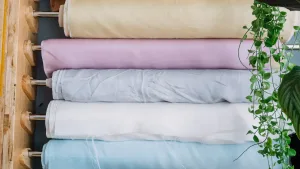
Choosing the right yoga fabric is crucial for a comfortable practice. The ideal fabric balances several key properties. It should be made from natural fibers, which are body-friendly and eco-friendly. Comfort is essential; soft and breathable materials enhance the overall experience. Effective sweat absorption keeps practitioners dry during sessions, while durability contributes to sustainability. Breathability allows airflow, keeping the body cool. Overall, yoga fabric should promote balance and well-being in alignment with Ayurvedic principles.
Key Takeaways
- Choose breathable fabrics like cotton and bamboo for gentle yoga. They enhance comfort and airflow during practice.
- Opt for moisture-wicking materials such as polyester and spandex for hot yoga. These fabrics keep you dry and cool during intense sessions.
- Consider blended fabrics like cotton-spandex for flexibility and comfort. They combine the benefits of natural and synthetic fibers for optimal performance.
- Prioritize durability in your yoga apparel. Fabrics should withstand frequent washing and maintain their shape over time.
- Avoid common mistakes like choosing non-breathable fabrics. Selecting the right material enhances your overall yoga experience.
Cotton
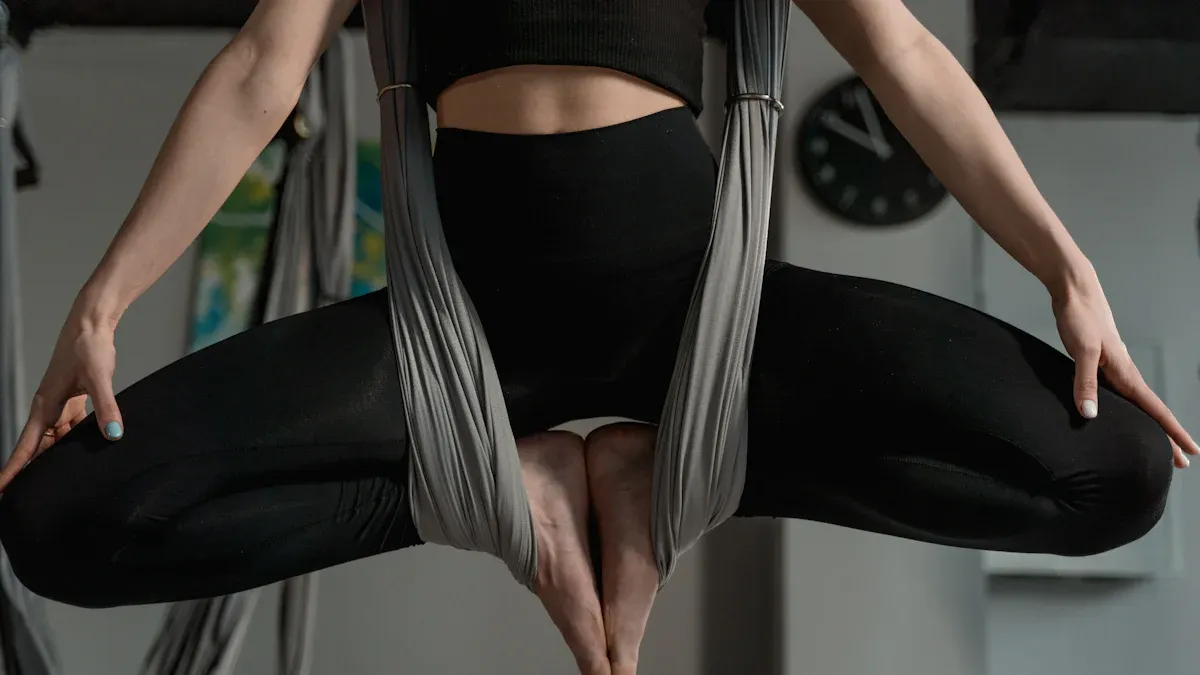
Cotton stands out as a popular choice for yoga fabric due to its natural properties. This fabric offers several advantages that enhance the yoga experience.
- Breathability: Cotton provides excellent natural airflow. This characteristic allows for better ventilation compared to many synthetic materials.
- Moisture Management: While cotton absorbs moisture effectively, it dries slowly. This can be a drawback during intense sessions, as practitioners may feel damp against their skin. In contrast, synthetic fabrics wick moisture away and dry quickly, making them more suitable for high-intensity workouts.
Cotton’s performance in terms of stretchability and durability also deserves attention.
- Cotton yoga mats offer a soft and comfortable texture, enhancing the overall yoga experience.
- They provide excellent grip and traction, which is crucial for maintaining stability during various poses.
- The natural elasticity of cotton allows the mat to conform to the body, providing personalized support during practice. This feature enhances comfort and stability, particularly during stretches and challenging poses.
However, cotton may not be the best choice for all yoga styles.
- During hot yoga or high-intensity sessions, cotton absorbs moisture, creating a damp layer against the skin. This can prevent proper cooling of the body and lead to discomfort.
- The dampness can cause chafing and discomfort over time, especially during strenuous activities.
- While cotton leggings are comfortable and breathable, they have a slower drying time. This can lead to sweat patches, which may be uncomfortable during high-intensity workouts.
Polyester
Polyester is a widely favored choice for yoga fabric due to its impressive performance characteristics. This synthetic material excels in moisture-wicking capabilities, making it ideal for various yoga practices.
- Moisture Management: Polyester effectively wicks moisture away from the skin and evaporates it on the surface. This quick-drying feature keeps practitioners dry during intense sessions. In comparison to cotton, which absorbs moisture but dries slowly, polyester offers a significant advantage.
| Fabric | Moisture-Wicking Capability |
|---|---|
| Bamboo | Excellent at absorbing moisture, keeping skin dry. |
| Cotton | Good moisture absorption but slower drying. |
| Polyester | Dries quickly, does not absorb sweat. |
- Durability: Polyester is highly durable, resisting abrasion, shrinking, stretching, and wrinkling. This fabric maintains its shape and appearance even after repeated use. It is also resistant to pilling, ensuring a smooth look over time. While it may be weaker in tensile strength compared to nylon, its moisture-wicking and UV resistance make it a strong contender for yoga apparel.
| Fabric Type | Durability | Resistance to Wear | Additional Notes |
|---|---|---|---|
| Polyester | Highly durable due to resistance to abrasion, shrinking, stretching, and wrinkling. | Resistant to pilling, maintaining a smooth appearance after use. | Weaker in tensile strength but excels in moisture-wicking and UV resistance. |
| Nylon | Stronger in tensile strength and elasticity, allowing it to stretch significantly without damage. | More prone to degradation from sunlight but excellent in moisture management. | Offers a softer feel and better breathability than polyester. |
- Environmental Considerations: Despite its advantages, polyester production raises environmental concerns. The process involves non-renewable resources and toxic chemicals, contributing to greenhouse gas emissions. Additionally, polyester is not biodegradable and can shed microfibers, posing risks to ecosystems. An estimated 176,500 metric tons of synthetic microfibers are released globally each year, impacting both human health and aquatic life.
Spandex
Spandex, also known as elastane, plays a crucial role in yoga apparel due to its exceptional stretchability and fit. This synthetic fiber can extend up to five times its original length, offering unparalleled flexibility. The four-way stretch characteristic of spandex ensures unrestricted movement during various yoga poses. As a result, practitioners can transition smoothly between positions without feeling constrained.
The body-hugging fit of spandex contours to the body, providing a secure fit that stays in place. This feature is particularly beneficial during dynamic movements, as it minimizes the risk of fabric shifting or bunching. Typically, yoga apparel contains between 20% to 30% spandex. This percentage is essential for maximizing flexibility and comfort during yoga sessions. Higher spandex content enhances the fabric’s stretch and recovery, which is crucial for activities requiring a wide range of motion.
While spandex offers numerous advantages, some individuals may experience sensitivities or allergies related to this fabric. Allergies often stem from additives used in manufacturing, such as dyes and stabilizers. Symptoms can include itching, redness, and rashes. Those with sensitive skin or a history of allergies may be more susceptible to developing sensitivities over time. Therefore, it is advisable for practitioners to choose high-quality yoga fabric that minimizes the risk of irritation.
Bamboo
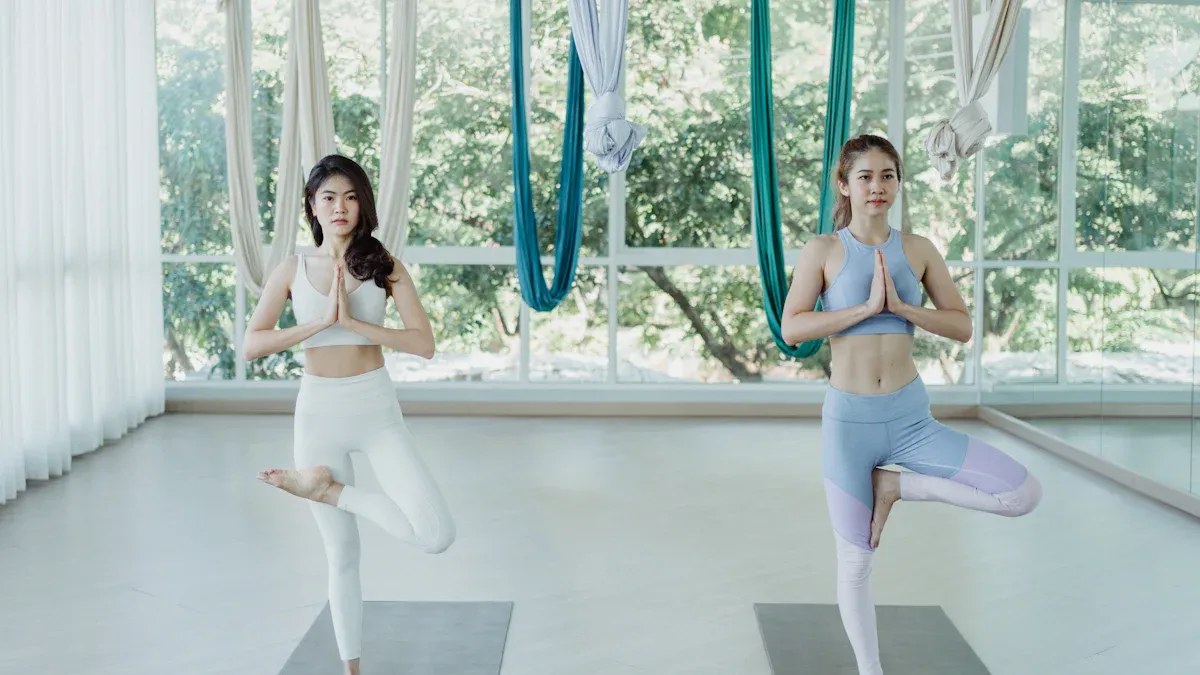
Bamboo fabric has gained popularity in the yoga community due to its unique properties. This natural material offers several advantages that enhance the overall yoga experience.
- Moisture-Wicking: Bamboo fabric excels in moisture management. It can absorb up to 60% more moisture than cotton, facilitating faster evaporation of sweat. This feature keeps practitioners dry and comfortable during their sessions.
- Antibacterial Properties: Bamboo contains a natural bio-agent called bamboo kun. This unique component inhibits the growth of bacteria and fungi, reducing odors and promoting better hygiene. As a result, bamboo fabric maintains freshness even after prolonged use.
| Fabric Type | Breathability | Moisture-Wicking | Comfort Level |
|---|---|---|---|
| Bamboo | Superior | Excellent | High |
| Cotton | Moderate | Poor | Moderate |
| Polyester | Moderate | Moderate | Low |
Bamboo’s breathability is another significant advantage. The fabric helps regulate temperature, keeping practitioners cooler during yoga sessions. Its natural properties allow for better airflow, making it an excellent choice for both hot yoga and more relaxed practices.
However, bamboo fabric does have some considerations. The production process can be labor-intensive and time-consuming, leading to higher costs. Additionally, bamboo is more delicate than synthetic materials. It may shrink or sustain damage if not cared for properly. Despite these drawbacks, the environmental benefits of bamboo are noteworthy. It grows rapidly without the need for pesticides or fertilizers, making it a sustainable option for yoga apparel.
Blends
Blended fabrics combine the strengths of different fibers, creating materials that enhance performance in yoga apparel. These blends often include natural and synthetic fibers, resulting in improved comfort, durability, and moisture management.
One popular blend is cotton-spandex. This combination enhances stretch and flexibility while maintaining breathability. Cotton provides a soft feel, while spandex allows for a snug fit that moves with the body. This blend is ideal for leggings, yoga pants, and fitted tops, making it a favorite among practitioners.
| Fabric Blend | Properties Enhanced | Applications in Yoga Apparel |
|---|---|---|
| Cotton-Spandex | Enhanced stretch and flexibility, breathability | Ideal for leggings, yoga pants, and fitted tops |
Blended fabrics excel in moisture management compared to single-fiber options. For instance, blended fabrics with synthetic fibers transport moisture away from the skin, keeping practitioners dry. In contrast, single-fiber fabrics like cotton absorb moisture, which can lead to discomfort during intense sessions.
- Polyester, commonly found in blends, offers durability and moisture-wicking properties. It maintains performance over time without significant degradation.
- Nylon enhances the stretch and recovery of blended fabrics, making them more suitable for activewear.
Cost also varies between blended fabrics and single-fiber options.
| Material Type | Cost Level | Characteristics |
|---|---|---|
| Cotton blends | Budget | Soft but retains moisture, not ideal for sweating. |
| Basic polyester | Budget | Inexpensive, but lacks advanced moisture management. |
| Four-way stretch fabrics | Premium | High durability and comfort, excellent for performance. |
| Merino wool blends | Premium | Natural odor resistance, moisture-wicking properties. |
| Bamboo fiber technology | Premium | Eco-friendly, advanced sweat-wicking capabilities. |
These blends provide a balance of comfort, performance, and sustainability, making them an excellent choice for yoga practitioners seeking optimal functionality in their apparel.
Recommendations for Different Yoga Practices
Choosing the right yoga fabric can significantly enhance the practice experience. Different yoga styles demand specific fabric properties to optimize comfort and performance. Below are recommendations based on various yoga practices:
Hot Yoga
For hot yoga, practitioners need fabrics that excel in moisture-wicking and breathability. The following materials are ideal:
- Polyester: This fabric is lightweight and quick-drying. It draws moisture away from the body and allows it to evaporate quickly, keeping practitioners dry and cool.
- Spandex: Known for its elasticity, spandex provides a smooth feel and moderate moisture-wicking capabilities. It allows for unrestricted movement during intense sessions.
- Blends specifically designed for athletic wear: These blends combine the benefits of synthetic fibers, ensuring durability and moisture management.
Practitioners should look for clothing that keeps them comfortable and focused during their sessions.
Restorative or Gentle Yoga
For restorative or gentle yoga practices, comfort and breathability are paramount. Recommended fabrics include:
- Organic Cotton: This fabric is incredibly soft and breathable, making it a classic choice for gentle yoga styles. Organic cotton leggings and tops, such as those from Proyog’s “Embrace” collection, provide comfort and flexibility.
- Bamboo: Known for its moisture-wicking properties, bamboo fabric allows for air circulation, keeping practitioners cool during slower sessions. It is gentle on the skin and free from synthetic chemicals.
These materials enhance the overall experience, allowing practitioners to focus on relaxation and mindfulness.
Power Yoga or Vinyasa Yoga
In power yoga or vinyasa yoga, stretchability and breathability are crucial. The following fabrics are recommended:
- Four-way stretch materials: These fabrics allow for seamless movement in various poses. They enhance flexibility during complex flows, enabling practitioners to transition smoothly between positions.
- Moisture-wicking fabrics: These materials keep the skin dry, allowing for better focus on poses. Breathable fabrics help regulate body temperature, enhancing comfort during practice.
Practitioners should prioritize clothing that minimizes distractions and supports dynamic movements.
Expert Recommendations
Experts suggest specific fabric types based on yoga styles. The following table summarizes some recommended fabrics:
| Fabric Name | Composition | Weight | Width |
|---|---|---|---|
| Matte high elastic double fabric | Spandex 26% + Nylon 74% | 220g/㎡ | 150cm |
| Shark skin similarity fabric | Spandex 30% + Nylon 70% | 220g/㎡ | 152cm |
| Double-side brushed fabric | Spandex 30% + Nylon 70% | 220g/㎡ | 152cm |
| Nylon four-warp plain Knitting fabric | Spandex 22% + Nylon 78% | 170g/㎡ | 170cm |
| Matte double knit lycra | Spandex 25% + Nylon 75% | 220g/㎡ | 150cm |
| Four color fastness wicking fabric | Spandex 26% + Nylon 74% | 260g/㎡ | 150cm |
Selecting the right fabric based on yoga style can enhance performance and comfort, allowing practitioners to focus on their practice without distractions.
Common Mistakes to Avoid
When choosing yoga fabric, practitioners often make common mistakes:
- Choosing the wrong fabric: Opting for materials that are not breathable can lead to discomfort during practice.
- Ignoring stretch: Selecting fabrics that do not allow for flexibility can hinder movement and poses.
- Prioritizing quantity over quality: Buying many cheap items instead of a few high-quality pieces can result in a wardrobe that wears out quickly.
By avoiding these pitfalls, practitioners can ensure a more enjoyable and effective yoga experience.
In summary, the best fabric options for yoga include cotton, polyester, spandex, and bamboo blends. Each fabric offers unique benefits that cater to different yoga styles and personal preferences. Practitioners should prioritize the following properties when selecting their yoga fabric:
- Breathability: Essential for keeping cool during practice.
- Moisture-Wicking Capabilities: Important for absorbing sweat and preventing discomfort.
- Stretch and Flexibility: Necessary for accommodating various poses.
- Durability: Fabrics should withstand frequent washing and maintain integrity.
- Comfort: Soft and gentle fabrics enhance the overall experience.
By considering these factors, individuals can choose the right yoga fabric that aligns with their practice and enhances their comfort.
FAQ
What is the best fabric for hot yoga?
For hot yoga, polyester and spandex are ideal. These fabrics wick moisture away quickly and dry fast, keeping practitioners comfortable during intense sessions.
Can I wear cotton for yoga?
Cotton is suitable for gentle yoga styles. It offers breathability and comfort but may not be ideal for high-intensity practices due to slow drying.
How do blended fabrics perform in yoga?
Blended fabrics, like cotton-spandex, combine the benefits of natural and synthetic fibers. They enhance stretch, comfort, and moisture management, making them versatile for various yoga styles.
Are bamboo fabrics eco-friendly?
Yes, bamboo fabrics are eco-friendly. Bamboo grows rapidly without pesticides and requires less water than traditional crops, making it a sustainable choice for yoga apparel.
How should I care for my yoga clothes?
To maintain yoga clothes, wash them in cold water and avoid fabric softeners. Air drying is recommended to preserve elasticity and prevent shrinkage.